
Lulu
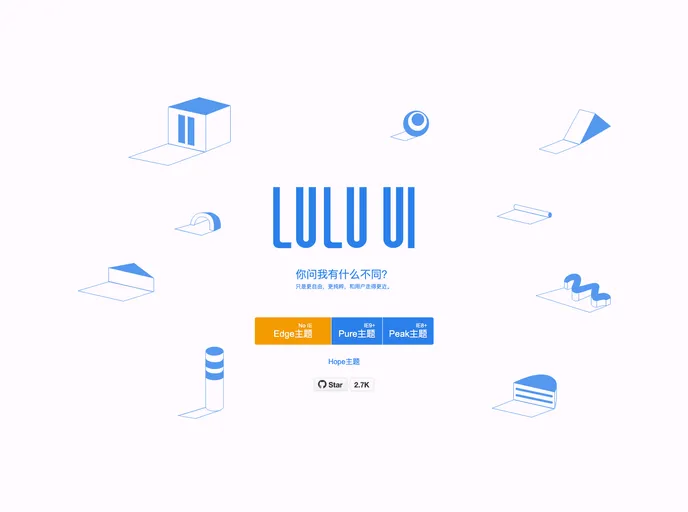
跨端跨框架的原生 UI 组件库,即插即用
Overview
LuLu UI is an innovative front-end UI component library developed by the renowned China Literature Group. This library is designed with a friendly and flexible approach, making it a perfect fit for various web projects aimed at external users. Whether you're building a lightweight website or a more complex project, LuLu UI stands out with its simple integration and adaptability, offering a suite of components that can enhance user experience without overwhelming developers.
Born from practical business scenarios and continuously refined through real-world applications, LuLu UI is focused on providing a seamless development experience. With a commitment to open-source principles, it ensures that developers can rely on consistent performance and ongoing improvements rather than worrying about support and updates.
Features
-
Easy Integration: LuLu UI allows for straightforward insertion of components via direct CSS and JS file references, ensuring instant usability.
-
Lightweight Design: This UI library is crafted to be lightweight, using pure JS and CSS which keeps it close to native functions, making it easy to get started.
-
Modular Architecture: Support for both traditional plugin usage and modern modular loading (ES6 import/export) makes it suitable for single or collaborative projects.
-
Cross-Framework Compatibility: Works seamlessly with Vue, React, and other frameworks, allowing developers to use components without pulling in unnecessary bulk.
-
Multiple Themes: Provides a selection of four distinct themes (Modern, Peak, Pure, Edge) to cater to different project needs, supporting various browser compatibility levels.
-
Accessibility Focused: Incorporates features like keyboard accessibility and support for high-resolution displays to enhance user experience for everyone.
-
Robust Documentation: Comprehensive guides and demos are available, ensuring that even beginners can get up to speed quickly with its features.
-
Continuous Development: With roots in real business challenges, LuLu UI evolves through ongoing iteration and improvement, ensuring that it stays relevant in a fast-changing landscape.
- Web Components

Web components provide a way to create reusable, encapsulated UI components using standard web technologies such as HTML, CSS, and JavaScript. They allow developers to create complex UI components that can be easily shared across multiple projects and frameworks. Web components are built using four main specifications: Custom Elements, Shadow DOM, HTML Templates, and ES Modules.