
Clean Arch Nextjs Starter
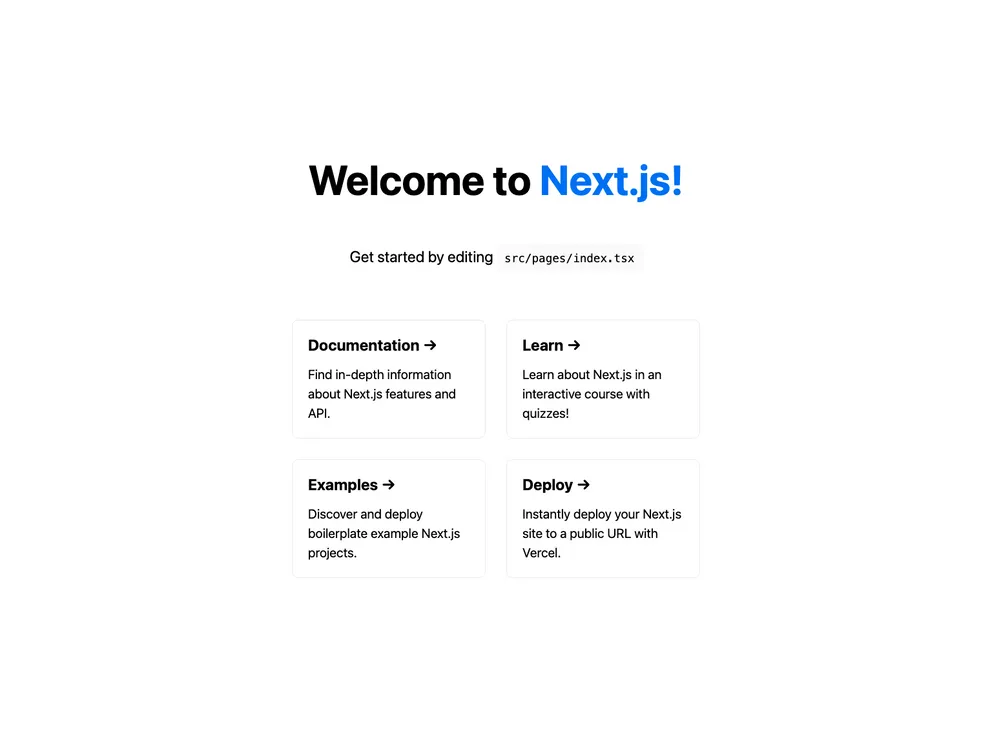


Clean architecture starter for Next.js with TypeScript. All the tools you need to build your next project.
Overview
This product is a template for building applications with Next.js, React, and TypeScript. It includes various features such as Styled Components for component styling, ESLint for code quality, Prettier for consistent styling, and Husky for running scripts before committing. The template also includes features for lint-staging, commit message conventions, and editor configuration. It provides a quick start guide, a directory structure, and instructions for running the project in development and production modes.
Features
- Next.js 12: Latest version of Next.js for server-side rendering and static site generation.
- React 18: Latest version of React for building user interfaces.
- TypeScript: Support for static typing in JavaScript.
- Styled Components: CSS-in-JS library for component styling.
- ESLint: JavaScript linter to find and fix problems in the code.
- Prettier: Code formatter for maintaining consistent coding style.
- Husky: Git hooks for running scripts before committing code.
- Commitlint: Ensures commit messages follow the specified convention.
- lint-staged: Runs ESLint and Prettier against staged Git files.
- EditorConfig: Configures coding styles across different editors and IDEs.
- Path Mapping: Custom path mappings for importing components or files.
Summary
This template provides a powerful starting point for building applications with Next.js, React, and TypeScript. It includes essential features such as styling with Styled Components, code quality tools like ESLint and Prettier, and git workflow automation with Husky. The template also provides a clear directory structure and instructions for running the project in development and production modes. With customizable path mappings and support for different editors and IDEs, this template offers a convenient and efficient development experience.
- Next.js
Next.js is a React-based web framework that enables server-side rendering, static site generation, and other powerful features for building modern web applications.
- React
React is a widely used JavaScript library for building user interfaces and single-page applications. It follows a component-based architecture and uses a virtual DOM to efficiently update and render UI components
- Styled Components
Styled Components is a popular library for styling React components using CSS syntax. It allows you to write CSS in your JavaScript code, making it easier to create dynamic styles that are specific to each component.
- Eslint

ESLint is a linter for JavaScript that analyzes code to detect and report on potential problems and errors, as well as enforce consistent code style and best practices, helping developers to write cleaner, more maintainable code.
- Typescript

TypeScript is a superset of JavaScript, providing optional static typing, classes, interfaces, and other features that help developers write more maintainable and scalable code. TypeScript's static typing system can catch errors at compile-time, making it easier to build and maintain large applications.