
Import Maps
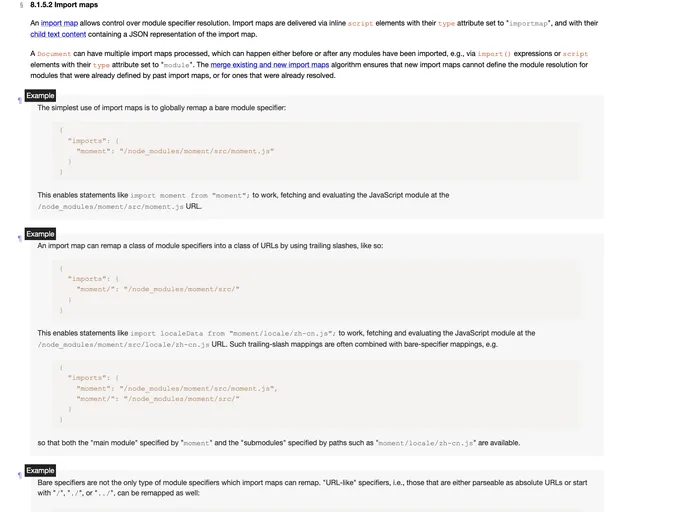
Former home of import maps (now merged into HTML)
## Overview
Import maps have evolved to become a significant aspect of the HTML Standard, streamlining the way JavaScript modules are managed and loaded within web applications. This shift towards a more integrated approach is a game changer for developers, allowing for cleaner and more efficient code organization. By simplifying the import process, import maps help reduce complexities associated with managing dependencies, making for a more seamless development experience.

The transition of import maps into the HTML Standard marks a critical advancement for web development. While earlier versions and discussions provided valuable insights, the current implementation includes enhancements like integrity metadata support and the capability to handle multiple import maps. This evolution ensures that developers have access to up-to-date resources and features that improve the overall functionality and security of their applications.

## Features
- **HTML Standard Integration**: Import maps are now officially part of the HTML Standard, ensuring broad support and modern capabilities across web browsers.

- **Dependency Management**: They streamline how JavaScript modules are imported, simplifying the handling of dependencies in web applications.

- **Integrity Metadata Support**: Provides an extra layer of security by allowing developers to specify integrity checks, ensuring that files have not been tampered with.

- **Multiple Import Maps**: Allows developers to use multiple import maps, offering greater flexibility in organizing and managing module imports.

- **Clearer Code Organization**: Encourages cleaner and more maintainable code by enabling explicit mapping of module names to their respective paths.

- **Access to Historical Data**: Previous versions of the import maps explainer and reference implementation can be viewed in Git history, providing context and insights into the feature's development.