
Sveltekit Blog
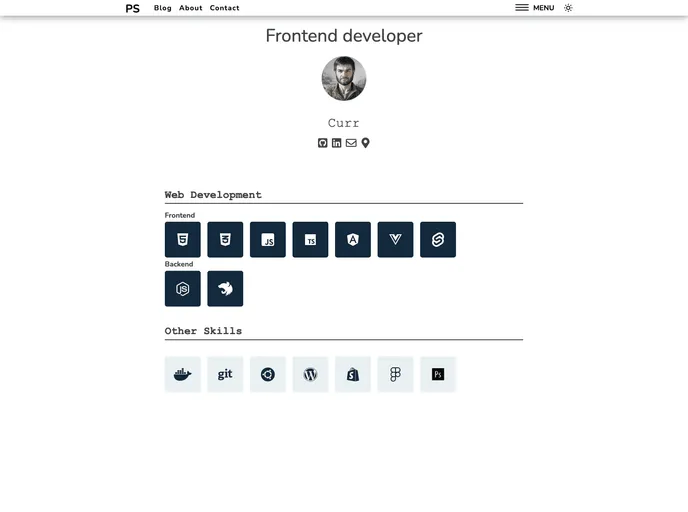


Latest SvelteKit v.2 blog - can create page or blog with Markdown or Jodit(wysiwyg editor) - Created pages and blogs are in header and they are server-side rendered for SEO and client-side for interaction
Overview
This is a product analysis of a blog made with SvelteKit. The blog uses Markdown for content formatting and incorporates an FE (front-end) framework called SvelteKit. The back-end is built with Express and utilizes SQLite for data storage. The product supports environment variables and requires setting up a .env file in the main directory as well as in the /serveradmin subdirectory. The email feature allows for adding, editing, and removing pages and blogs. Optional integration with Disqus enables comments on the blog posts. The product requires Node.js version 16+ and offers build and development server functionalities. Both the server and client run on the same port, and the server includes server-side rendering (SSR) when the build is available. The product utilizes jsonwebtoken for authorization and express-session for session management in Express. It also includes language switching capabilities using the svelte-i18n library.
Features
- SvelteKit Integration: The blog is built using SvelteKit, a powerful front-end framework that simplifies development and enhances performance.
- Markdown Support: Content in the blog can be formatted using Markdown syntax, allowing for easy editing and styling of blog posts.
- Email Administration: An email feature is provided, allowing users to add, edit, and remove pages and blogs using the provided email address.
- Optional Disqus Integration: Users have the option to enable comments on their blog posts using Disqus, a popular commenting platform.
- Environment Variables: The product supports the use of environment variables by setting up a .env file in the main directory as well as in the /serveradmin subdirectory.
- Node.js Compatibility: The product works with Node.js version 16 and above, ensuring compatibility with the latest versions of the server-side JavaScript runtime.
- Build and Development Server: The product provides build and development server functionalities, enabling efficient testing and deployment of the blog.
- Server-Side Rendering: When the build is available, the server includes server-side rendering (SSR), enhancing the performance and user experience of the blog.
- Authorization with jsonwebtoken: The product utilizes the jsonwebtoken library for authorization, providing secure access control to the blog's administrative features.
- Session Management with express-session: Express-session is used for session management in the Express back-end, ensuring secure and efficient handling of user sessions.
- Language Switching with svelte-i18n: The product incorporates the svelte-i18n library, allowing for easy language switching and localization support in the blog.
- Pages and Blogs Creation with marked: The product uses the marked library for creating and rendering pages and blogs, providing a simple and efficient way to generate content.
Summary
The SvelteKit blog offers a robust and efficient solution for creating and managing a blog. With features such as Markdown support, email administration, Disqus integration, environment variable support, Node.js compatibility, build and development server functionality, server-side rendering, authorization and session management, language switching, and efficient content generation, this product provides a comprehensive and user-friendly experience for bloggers and administrators. The installation process ensures easy setup and integration of the required libraries and dependencies.
- Express
Express.js is a simple Node.js framework for single, multi-page, and hybrid web applications.
- Svelte
Svelte is a modern front-end framework that compiles your code at build time, resulting in smaller and faster applications. It uses a reactive approach to update the DOM, allowing for high performance and a smoother user experience.
- Blog

Blog websites feature posts written by one or more authors, organized by categories and tags, with a section for comments and archives sorted by date or topic. Additional features may include search bar, social media sharing, subscription or RSS feed, about and contact pages, and visual content.
- Eslint

ESLint is a linter for JavaScript that analyzes code to detect and report on potential problems and errors, as well as enforce consistent code style and best practices, helping developers to write cleaner, more maintainable code.