
Fivem Nextjs Boilerplate
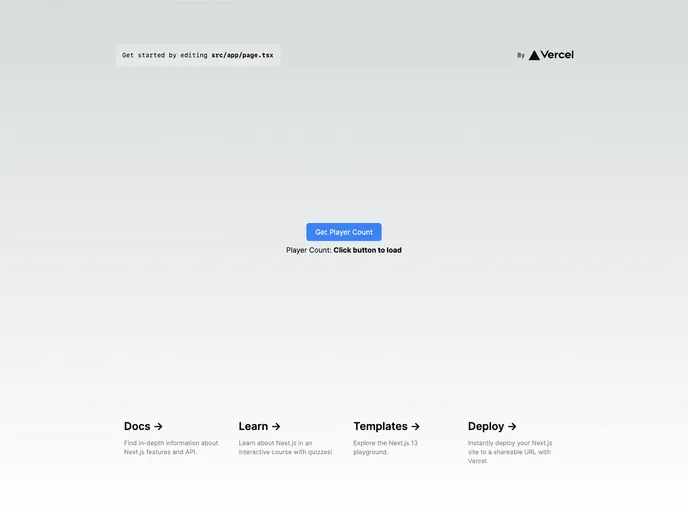



NextJS/FiveM Boilerplate (Typescript, Tailwindcss, Redux Toolkit, DaisyUI)
Overview
I recently came across a NextJS boilerplate that has significantly streamlined my development process across various projects. This boilerplate incorporates a blend of powerful technologies and tools that not only enhance productivity but also lead to well-structured and maintainable code. The combination of NextJS and TypeScript makes it particularly appealing as it allows for robust application development with ease of use.
One of the standout features of this boilerplate is its integration with TailwindCSS and DaisyUI, which facilitates the creation of responsive and visually appealing user interfaces. Additionally, the inclusion of Redux Toolkit simplifies state management, making it easier to handle complex application states. With its focus on developer experience and performance, this boilerplate is a solid choice for anyone looking to build applications efficiently.
Features
- TypeScript: Offers static typing, which improves code quality and helps catch errors during development.
- NextJS: Provides server-side rendering and static site generation, enhancing performance and SEO capabilities.
- Next-themes: Allows easy management of light and dark themes, enabling visually appealing and customizable UIs.
- TailwindCSS: A utility-first CSS framework that enables rapid UI development with minimal custom CSS.
- DaisyUI: Offers a set of pre-built components that reimagine TailwindCSS styling for quicker design implementations.
- Redux Toolkit: Streamlines state management with less boilerplate, ensuring your application state is predictable.
- FiveM Integration: Facilitates seamless data exchange between the FiveM client and UI, making it ideal for game development projects.
- Next.js
Next.js is a React-based web framework that enables server-side rendering, static site generation, and other powerful features for building modern web applications.
- React
React is a widely used JavaScript library for building user interfaces and single-page applications. It follows a component-based architecture and uses a virtual DOM to efficiently update and render UI components
- Tailwind
Tailwind CSS is a utility-first CSS framework that provides pre-defined classes for building responsive and customizable user interfaces.
- daisyUI
daisyUI adds classes to Tailwind CSS for all common UI components. Classes like btn, card, etc. This allows us to focus on important things instead of making basic elements for every project.
- Eslint

ESLint is a linter for JavaScript that analyzes code to detect and report on potential problems and errors, as well as enforce consistent code style and best practices, helping developers to write cleaner, more maintainable code.
- Postcss

PostCSS is a popular open-source tool that enables web developers to transform CSS styles with JavaScript plugins. It allows for efficient processing of CSS styles, from applying vendor prefixes to improving browser compatibility, ultimately resulting in cleaner, faster, and more maintainable code.
- Typescript

TypeScript is a superset of JavaScript, providing optional static typing, classes, interfaces, and other features that help developers write more maintainable and scalable code. TypeScript's static typing system can catch errors at compile-time, making it easier to build and maintain large applications.