
Nextjs Store
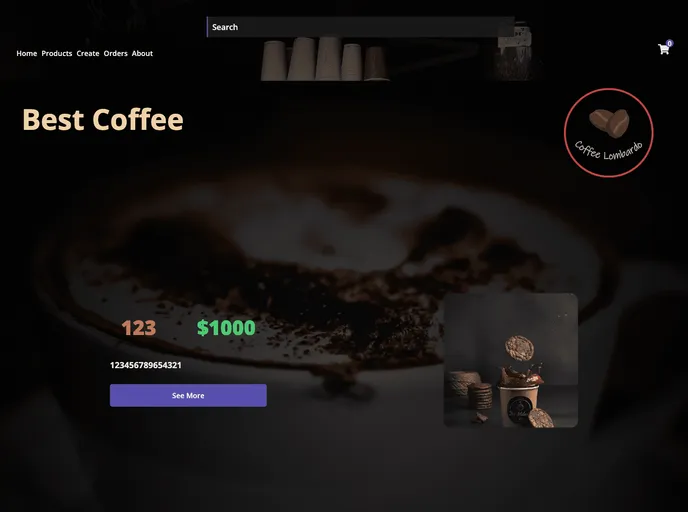


Simple NextJs ecommerce site
Overview
The Basic NextJs Store is an intuitive ecommerce platform built using the Next.js framework, designed primarily for practice and learning purposes. Despite being a basic implementation, it offers a foundational structure for anyone looking to understand the workings of an ecommerce site. The platform integrates components like webpay, mongoose, and yum, all essential for handling payments and database interactions.
While the store is not intended for production use, it provides a valuable opportunity to explore the integration of various technologies within a practical setting. Users can engage in uploading products, managing their shopping cart, and testing payment methods, giving a comprehensive experience of an ecommerce system's core functionalities.
Features
- Product Management: Easily upload products without the need for custom images. Simplified removal of products enhances user experience.
- Shopping Cart Functionality: Add or remove items from the cart seamlessly, making it user-friendly.
- Order Processing: The store captures completed orders and updates the database accordingly when users fill out the delivery form.
- Payment Testing: Users can test the payment method with provided sample credit card details, allowing for easy validation of the checkout process.
- Local Storage Cart: The cart data is saved in local storage, although it's recommended to implement encryption for added security.
- Flexible Environment Configuration: Requires a .env or .env.local file with DATABASE_URL for effortless local setup.
- Support for Encryption: While local storage is used, options for enhanced security include encrypted tokens stored server-side or via cookies.
- Next.js
Next.js is a React-based web framework that enables server-side rendering, static site generation, and other powerful features for building modern web applications.
- React
React is a widely used JavaScript library for building user interfaces and single-page applications. It follows a component-based architecture and uses a virtual DOM to efficiently update and render UI components
- Styled Components
Styled Components is a popular library for styling React components using CSS syntax. It allows you to write CSS in your JavaScript code, making it easier to create dynamic styles that are specific to each component.
- Ecommerce

Ecommerce websites sell products or services to customers through an online storefront. These websites typically include features such as product listings, shopping carts, payment processing, and order management tools.
- Typescript

TypeScript is a superset of JavaScript, providing optional static typing, classes, interfaces, and other features that help developers write more maintainable and scalable code. TypeScript's static typing system can catch errors at compile-time, making it easier to build and maintain large applications.
- Yup
Yup is a schema builder for runtime value parsing and validation. It provides a declarative way to define validation schemas with support for complex nested objects, array validation, and custom validation rules. Often used with Formik for form validation.