
Image Card Stack
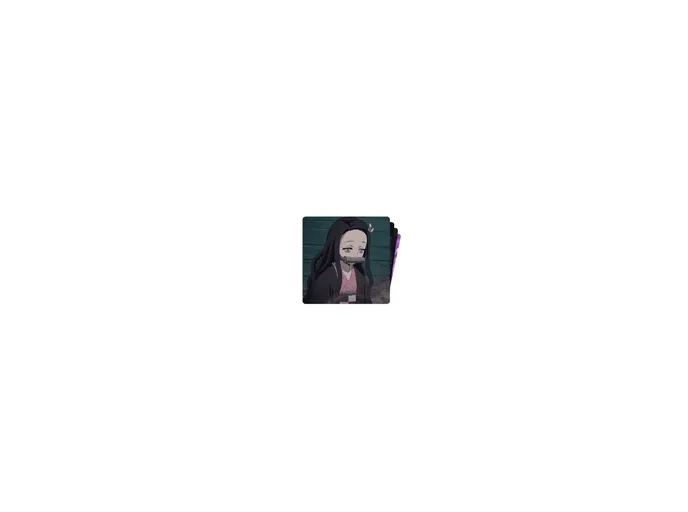



A draggable card stack component with smooth animations and TypeScript generics.
Overview
The Dynamic Image Card Stack is a remarkable interactive image stack component designed using React and Motion, creating an engaging user experience with smooth 3D animations and dynamic drag interactions. The modular architecture allows developers to harness this reusable component for various types of stackable content, making it a versatile tool in any web application that requires card-based layouts.
This component promises a tactile experience reminiscent of handling physical cards, transforming simple interactions into something truly captivating. The attention to detail in the drag physics and spring animations enhances the overall experience, providing users with a responsive and enjoyable interface.
Features
- Dynamic Card Stacking: Cards stack naturally with customizable rotation and scale options, adding a visual appeal and unique interactions.
- 3D Drag Interactions: Experience realistic card rotations that respond swiftly to user drag movements, elevating the interactivity of your application.
- Spring Physics: Smooth animations create natural spring transitions, ensuring that actions like releasing a card have a satisfying snap-back effect.
- Generic Architecture: Built with TypeScript generics, the structure allows for flexible implementation across different data types, accommodating various items.
- Configurable Effects: Tailor the stacking experience with adjustable rotation angles, scaling factors, and perspectives to suit your design needs.
- Threshold Detection: Cards automatically reposition themselves to the bottom of the stack when dragged beyond defined limits, maintaining order and usability.
- React
React is a widely used JavaScript library for building user interfaces and single-page applications. It follows a component-based architecture and uses a virtual DOM to efficiently update and render UI components
- Vite
Vite is a build tool that aims to provide a faster and leaner development experience for modern web projects
- Tailwind
Tailwind CSS is a utility-first CSS framework that provides pre-defined classes for building responsive and customizable user interfaces.
- Eslint

ESLint is a linter for JavaScript that analyzes code to detect and report on potential problems and errors, as well as enforce consistent code style and best practices, helping developers to write cleaner, more maintainable code.
- Framer Motion

Alpine.js is a lightweight JavaScript framework that simplifies the process of creating dynamic, reactive user interfaces on the web. It uses a declarative syntax that offers a higher level of abstraction compared to vanilla JavaScript, while being more performant and easier to use than jQuery.
- Motion

Motion (formerly Framer Motion) is a production-ready animation library for React and JavaScript. It provides a simple declarative API for creating fluid animations, gestures, and transitions with excellent performance and accessibility.
- Typescript

TypeScript is a superset of JavaScript, providing optional static typing, classes, interfaces, and other features that help developers write more maintainable and scalable code. TypeScript's static typing system can catch errors at compile-time, making it easier to build and maintain large applications.