
Job_Finder_React_js_Tailwind_css
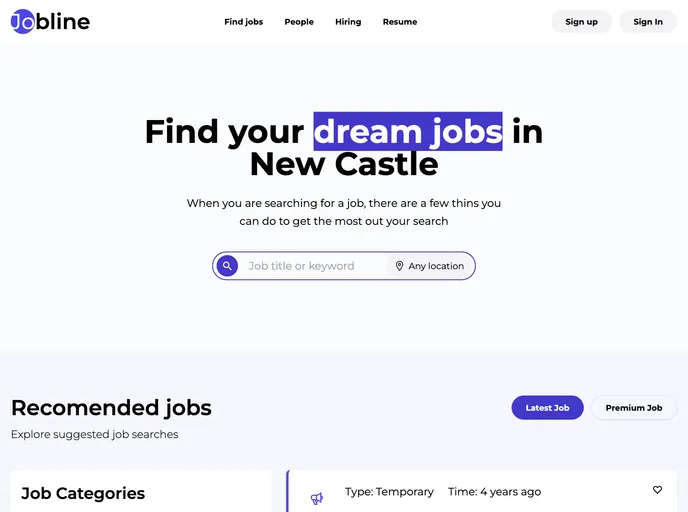




A Job Finder User Interface that is fully responsive, built with Next.js and Tailwind CSS. You may view images of this project on various platforms as detailed below.
Overview
The Job Finder UI is an innovative application designed to streamline the job search process. Leveraging modern web technologies like React.js and Tailwind CSS, this application features a sleek and user-friendly interface that is fully responsive, ensuring a great user experience across all devices. The use of Vite allows for rapid development cycles, making it efficient for both users and developers.
With its stylish design and intuitive navigation, the Job Finder UI aims to connect job seekers with opportunities seamlessly. It's a perfect blend of functionality and aesthetics, catering to the needs of today's job market.
Features
- Responsive Design: The application adapts beautifully to any screen size, providing a consistent experience whether on mobile or desktop.
- Built with React.js: This modern JavaScript library enables dynamic user interfaces and improves performance, making the app fast and efficient.
- Tailwind CSS Integration: Utilizing Tailwind CSS ensures a visually appealing layout with customizable styles to enhance the overall look and feel of the application.
- Quick Setup with Vite: Vite's fast build capabilities mean that developers can set up and modify the application quickly, making it an excellent choice for rapid development.
- Accessible Job Search: Users can easily navigate through available job listings, making the job hunting process less stressful and more effective.
- React Icons Support: Incorporating React Icons adds a polished touch with visually appealing icons that improve user interaction and overall experience.
- Next.js
Next.js is a React-based web framework that enables server-side rendering, static site generation, and other powerful features for building modern web applications.
- React
React is a widely used JavaScript library for building user interfaces and single-page applications. It follows a component-based architecture and uses a virtual DOM to efficiently update and render UI components
- Vite
Vite is a build tool that aims to provide a faster and leaner development experience for modern web projects
- Tailwind
Tailwind CSS is a utility-first CSS framework that provides pre-defined classes for building responsive and customizable user interfaces.
- Landing Page

A landing page is a standalone web page designed to promote a specific product, service, or offer. Landing pages are used in marketing campaigns to drive conversions and increase revenue, and typically include a clear call to action, minimal distractions, and a focus on the benefits of the product or service.
- Eslint

ESLint is a linter for JavaScript that analyzes code to detect and report on potential problems and errors, as well as enforce consistent code style and best practices, helping developers to write cleaner, more maintainable code.
- Postcss

PostCSS is a popular open-source tool that enables web developers to transform CSS styles with JavaScript plugins. It allows for efficient processing of CSS styles, from applying vendor prefixes to improving browser compatibility, ultimately resulting in cleaner, faster, and more maintainable code.