
Plasticc Kit
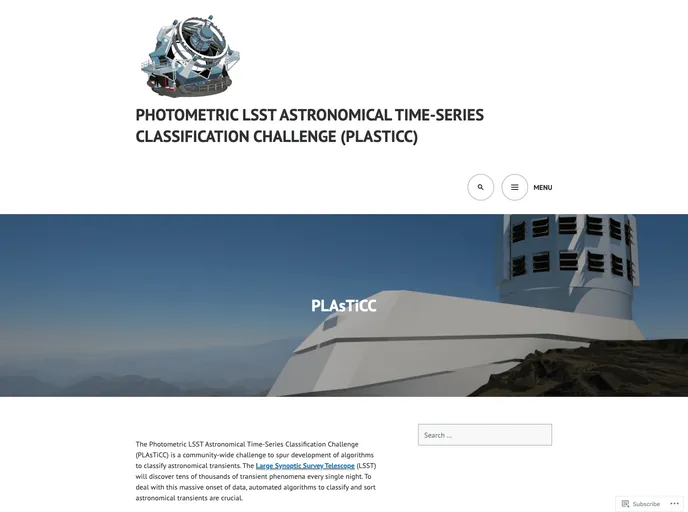
Starter Kit for the Photometric LSST Astronomical Time-series Classification Challenge
Overview
The Plasticc Kit serves as an essential starting point for participants in the Photometric LSST Astronomical Time-series Classification Challenge. Designed to facilitate the analysis of astronomical time-series data, this kit provides users with the necessary tools and resources to effectively classify astronomical objects based on varying light intensities over time. By leveraging state-of-the-art methods, it opens up new opportunities for those looking to delve into the fascinating field of astronomy and contribute to this significant challenge.
Equipped with user-friendly features, the Plasticc Kit ensures that both novice and experienced astronomers can efficiently engage with the data. Whether you're looking to improve your skills or make significant contributions to astronomical research, this starter kit is an excellent companion for anyone interested in time-series classification in astronomy.
Features
-
Comprehensive Data Access: The kit includes a curated dataset from the LSST challenge that provides rich time-series data essential for classification tasks.
-
Preprocessing Tools: Offers various preprocessing options that help in cleaning and preparing the data for analysis, ensuring higher accuracy in results.
-
Integrated Models: Comes with built-in machine learning models specifically designed for astronomical classification, reducing the groundwork required for experimentation.
-
User-Friendly Interface: The kit features an intuitive interface that simplifies navigation and functionality for users at any level of expertise.
-
Documentation and Tutorials: Provides detailed documentation and step-by-step tutorials to guide users through the data analysis process effectively.
-
Community Support: Access to a vibrant community of users and experts, allowing for collaborative discussions and problem-solving.
-
Customization Options: Users can easily modify existing models and parameters to suit specific research needs or preferences, enhancing flexibility in experimentation.