
Langchat
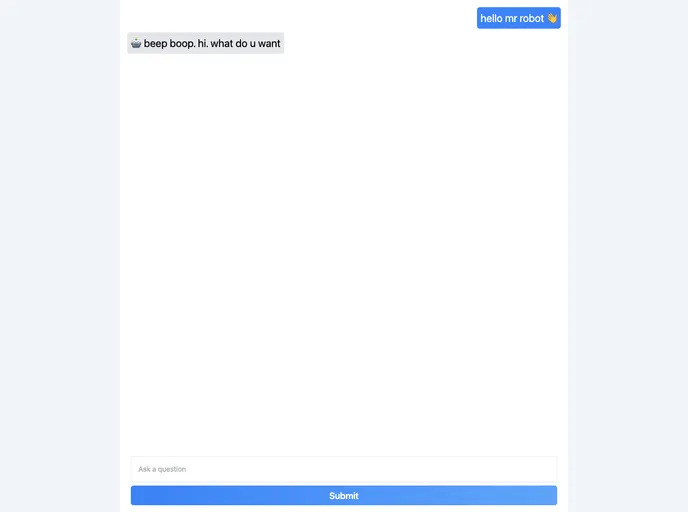


Nextjs + Langchain Youtube Tutorial
Overview
This Next.js project, bootstrapped with create-next-app, offers a streamlined approach for developers looking to build web applications. With a focus on simplicity and efficiency, it allows users to launch a project quickly and modify it effortlessly. The local development server provides immediate feedback, making it an ideal choice for both new and experienced developers.
As you start working on your application, you'll discover that the framework is designed to enhance productivity. As you edit the code, the page auto-updates, providing a seamless development experience. Whether you are building a simple page or a complex application, this project lays a solid foundation.
Features
-
Easy Setup: The project is set up with create-next-app, enabling rapid deployment and reducing the time to start a new Next.js application.
-
Automatic Page Updates: Pages auto-update when changes are made in the code, streamlining the development process and enhancing productivity.
-
API Routes Support: With a built-in capability to create API routes, developers can easily add server-side functionality by modifying files in the pages/api directory.
-
Custom Font Optimization: Utilizes next/font to automatically load and optimize custom Google Fonts like Inter, ensuring better performance and aesthetics.
-
Local Development Environment: By running the server locally, developers can view changes in real-time, which is crucial for an iterative workflow.
-
Simple Deployment with Vercel: The project seamlessly integrates with Vercel for easy deployment, providing a clear path from development to production.
-
Extensive Learning Resources: Access to a variety of learning materials, including documentation and interactive tutorials, supports both beginners and advanced users in mastering Next.js.
- Next.js
Next.js is a React-based web framework that enables server-side rendering, static site generation, and other powerful features for building modern web applications.
- React
React is a widely used JavaScript library for building user interfaces and single-page applications. It follows a component-based architecture and uses a virtual DOM to efficiently update and render UI components
- Tailwind
Tailwind CSS is a utility-first CSS framework that provides pre-defined classes for building responsive and customizable user interfaces.
- Eslint

ESLint is a linter for JavaScript that analyzes code to detect and report on potential problems and errors, as well as enforce consistent code style and best practices, helping developers to write cleaner, more maintainable code.
- Postcss

PostCSS is a popular open-source tool that enables web developers to transform CSS styles with JavaScript plugins. It allows for efficient processing of CSS styles, from applying vendor prefixes to improving browser compatibility, ultimately resulting in cleaner, faster, and more maintainable code.