
Mui Next Ts
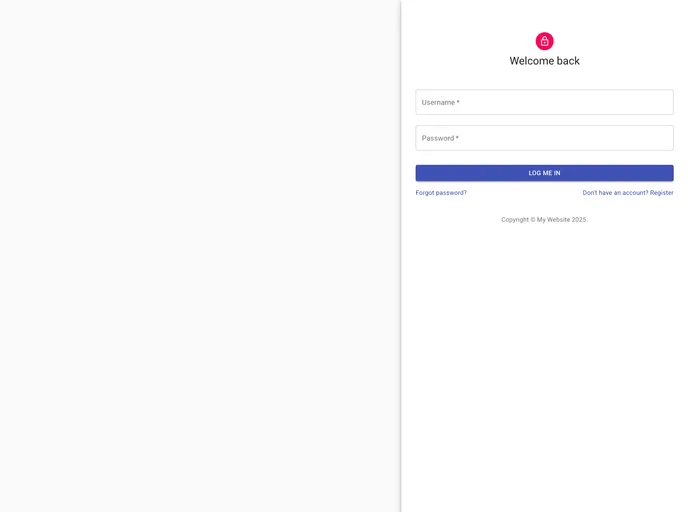


Example project for how to use Material UI with Next.js
Overview
Material UI with Next.js offers a powerful blend of design and performance for web developers looking to streamline their project deployment. The integration allows developers to harness the rich UI components of Material UI alongside the server-side capabilities of Next.js, resulting in a seamless experience for both developers and end users. This showcase project highlights how easy it is to set up and utilize these robust technologies together.
With an emphasis on a user-friendly setup process and performance optimization features, this combination can significantly enhance the overall development lifecycle. Perfect for those familiar with Node.js and npm, it's a great resource for anyone wanting to elevate their web applications to the next level.
Features
- Prerequisites: Requires Node.js version 12 or higher and npm version 6 or higher for smooth functionality.
- Development Server: Easy to run a local development server to test and iterate on your applications.
- Unit Tests: This project includes infrastructure for running unit tests, ensuring code quality and reliability.
- End-to-End Tests: Comprehensive testing capabilities allow for verification of user flows and application behavior.
- Linting: Built-in linter helps maintain code quality and adherence to coding standards throughout development.
- Build and Run: Simple commands to build your application for production and run it efficiently.
- Code Coverage: Integrated tools for measuring code coverage, helping to identify untested parts of your application.
- Next.js
Next.js is a React-based web framework that enables server-side rendering, static site generation, and other powerful features for building modern web applications.
- React
React is a widely used JavaScript library for building user interfaces and single-page applications. It follows a component-based architecture and uses a virtual DOM to efficiently update and render UI components
- Material UI
material-ui adds classes to Tailwind CSS for all common UI components. Classes like btn, card, etc. This allows us to focus on important things instead of making basic elements for every project.
- Eslint

ESLint is a linter for JavaScript that analyzes code to detect and report on potential problems and errors, as well as enforce consistent code style and best practices, helping developers to write cleaner, more maintainable code.
- React Hook Form

React Hook Form is a performant, flexible, and extensible form library for React with easy validation. It reduces re-renders and improves performance by using uncontrolled components and native HTML validation, making form handling simple and efficient.
- Typescript

TypeScript is a superset of JavaScript, providing optional static typing, classes, interfaces, and other features that help developers write more maintainable and scalable code. TypeScript's static typing system can catch errors at compile-time, making it easier to build and maintain large applications.
- Webpack

Webpack is a popular open-source module bundler for JavaScript applications that bundles and optimizes the code and its dependencies for production-ready deployment. It can also be used to transform other types of assets such as CSS, images, and fonts.
- Yup
Yup is a schema builder for runtime value parsing and validation. It provides a declarative way to define validation schemas with support for complex nested objects, array validation, and custom validation rules. Often used with Formik for form validation.