
Nest Cms Api


cms后台管理系统接口 使用nestjs+mysql+typeorm/prisma+docker+jwt+redis+apifox,实现了RBAC权限管理。
Overview
I recently came across a CMS backend project that offers both Prisma and TypeORM versions, with an emphasis on the Prisma branch for its updates and maintenance. This project serves as a solid foundation for developing a content management system while seamlessly integrating with various back-end technologies. Whether you are developing locally or deploying, the setup is designed to be flexible and accommodating for different environments.
The recommendation to utilize Docker Compose for setting up the environment is a significant plus, especially for users who prefer containerization. With the increasing reliance on tools like WSL for Windows users, this project reflects modern development practices and caters to varying developer needs.
Features
- Dual Version Support: Choose between Prisma and TypeORM versions easily by switching branches, with a recommendation to use the Prisma version for ongoing support.
- Comprehensive Technology Stack: Utilizes popular technologies such as Nest.js for the backend framework, MySQL for database management, and ioredis for caching.
- Docker Compatibility: Designed to work with Docker and Docker Compose, making it easy to create a consistent development environment without conflicts.
- JWT Authentication: Implements JSON Web Token for secure authentication, with customizable key generation and easy integration.
- Rich Logging: Integrated Winston for logging, which helps in tracking application performance and debugging issues efficiently.
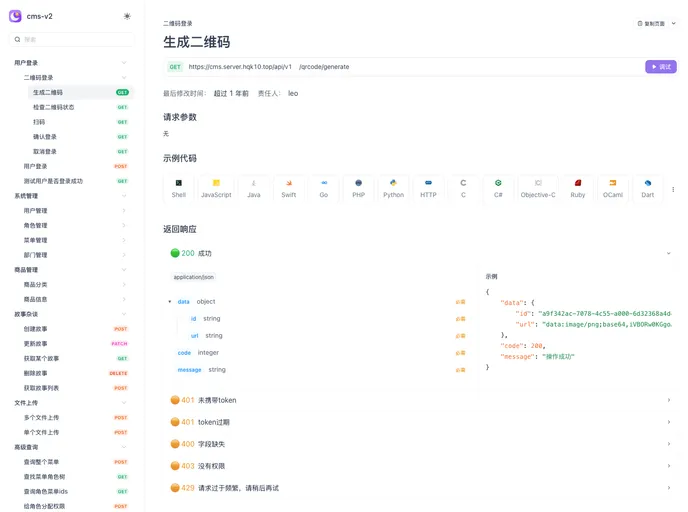
- QR Code Login: Supports QR code-based login for a modern and user-friendly authentication experience.
- Easy Configuration: Environment variables can be customized in .env files, allowing for straightforward adjustments based on development or production needs.
- Comprehensive Documentation: Installation steps and guidelines are clearly laid out, with support for issue tracking to assist developers in troubleshooting.
- Nest
A progressive Node.js framework for building efficient, scalable, and enterprise-grade server-side applications with TypeScript/JavaScript.
- Prisma
Prisma is a server-side library that helps developers read and write data to the database in an intuitive, efficient and safe way.
- Fullstack

A fullstack boilerplate provides a starter application that includes both frontend and backend. It should include database, auth, payments, user roles and other backend services to build a fully featured saas or webapps.
- Docker

A website that uses Docker for containerization to streamline development, testing, and deployment workflows. This includes features such as containerization of dependencies, automated builds and deployments, and container orchestration to ensure scalability and availability.
- Eslint

ESLint is a linter for JavaScript that analyzes code to detect and report on potential problems and errors, as well as enforce consistent code style and best practices, helping developers to write cleaner, more maintainable code.
- Typescript

TypeScript is a superset of JavaScript, providing optional static typing, classes, interfaces, and other features that help developers write more maintainable and scalable code. TypeScript's static typing system can catch errors at compile-time, making it easier to build and maintain large applications.