Solidity
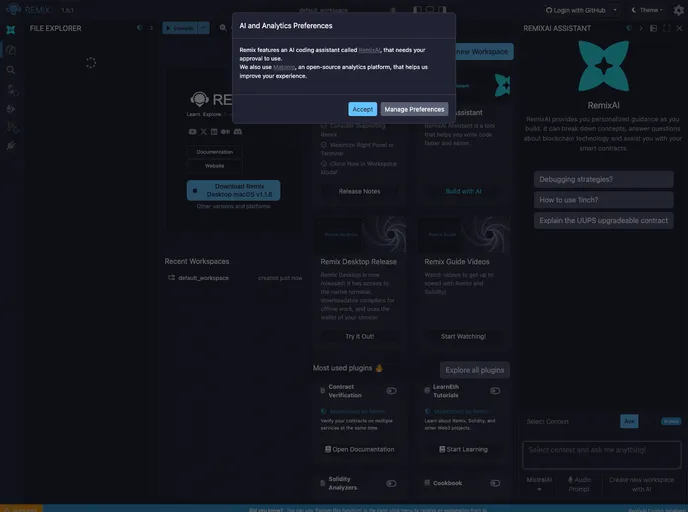
solidity language
Overview
Solidity is a high-level programming language that is specifically designed for writing smart contracts on the Ethereum blockchain. It is statically typed, supports inheritance, and provides powerful features for contract development. Solidity enables developers to create decentralized applications (DApps) by defining the rules and logic of the smart contracts that govern these applications.
Features
- Contract-oriented language: Solidity is designed to write smart contracts, which are self-executing agreements with the terms of the agreement directly written into code.
- Static typing: Solidity enforces strict data types, helping to prevent unintended errors in contract code.
- Inheritance: Solidity supports inheritance, allowing developers to create more modular and reusable contract code.
- Event-driven programming: Solidity enables developers to define and emit events in their smart contracts, which can be used to trigger actions in react to specific conditions.
- Library support: Solidity allows developers to import and use external libraries, expanding the functionality and flexibility of smart contracts.
- Gas optimization: Solidity includes features such as function modifiers and inline assembly to help developers optimize their contracts for gas usage on the Ethereum blockchain.
- Integration with Ethereum Virtual Machine (EVM): Solidity code is compiled into bytecode that can be executed on the EVM, the runtime environment for smart contracts on Ethereum.
Summary
Solidity is a powerful programming language specifically designed for writing smart contracts on the Ethereum blockchain. It provides features such as static typing, inheritance, event-driven programming, and library support. By following the installation guide and leveraging the features of Solidity, developers can write secure and efficient smart contracts for building decentralized applications on Ethereum.