
Svelte Adminlte
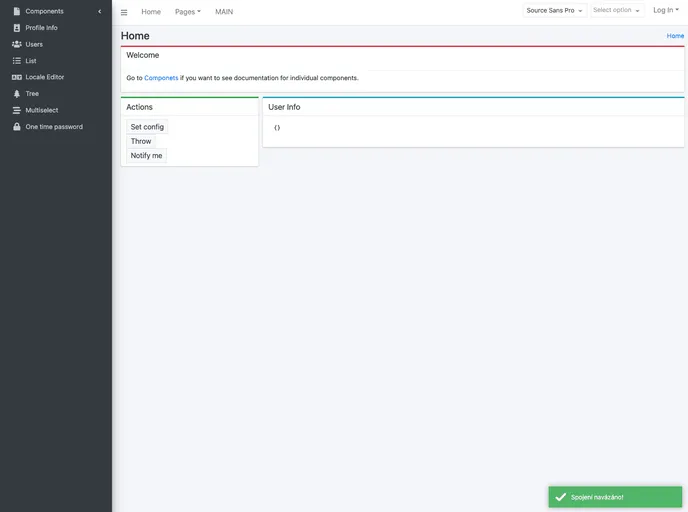




Svelte.dev version of AdminLTE
Overview
The svelte-adminlte is a Svelte project that serves as a template for Svelte projects using the AdminLTE CSS framework. It provides a solid starting point for building web applications with Svelte and AdminLTE, combining the flexibility of Svelte with the powerful styling of AdminLTE.
Features
- AdminLTE CSS Framework: Built on top of the popular AdminLTE CSS framework, svelte-adminlte offers a wide range of pre-designed UI components and layout options for building professional web applications.
- Svelte Integration: The project is specifically designed for integration with Svelte, allowing developers to take advantage of Svelte's reactive and component-based architecture to build dynamic user interfaces.
- Customizable: Svelte-adminlte provides a modular structure that can be easily customized and extended to meet specific project requirements. Developers can easily modify existing components or add new ones based on their needs.
- Responsive Design: The AdminLTE framework is known for its responsive design, ensuring that web applications built with svelte-adminlte will work seamlessly across different devices and screen sizes.
- Documentation: The project comes with comprehensive documentation that guides developers through the installation process and provides examples and guidelines for using the different components and features of svelte-adminlte.
Summary
Svelte-adminlte is a Svelte project template that incorporates the powerful styling of the AdminLTE CSS framework. It provides a seamless integration between Svelte and AdminLTE, allowing developers to build dynamic and responsive web applications. With its customizable and modular structure, svelte-adminlte offers a solid foundation for creating professional interfaces. The project also includes comprehensive documentation, making it easy for developers to get started and utilize the various components and features offered by svelte-adminlte.
- Svelte
Svelte is a modern front-end framework that compiles your code at build time, resulting in smaller and faster applications. It uses a reactive approach to update the DOM, allowing for high performance and a smoother user experience.
- Vite
Vite is a build tool that aims to provide a faster and leaner development experience for modern web projects
- Bootstrap
Bootstrap is the most popular CSS Framework for developing responsive and mobile-first websites.
- SCSS
SCSS is a preprocessor scripting language that extends the capabilities of CSS by adding features such as variables, nesting, and mixins. It allows developers to write more efficient and maintainable CSS code, and helps to streamline the development process by reducing repetition and increasing reusability.
- Eslint

ESLint is a linter for JavaScript that analyzes code to detect and report on potential problems and errors, as well as enforce consistent code style and best practices, helping developers to write cleaner, more maintainable code.
- Typescript

TypeScript is a superset of JavaScript, providing optional static typing, classes, interfaces, and other features that help developers write more maintainable and scalable code. TypeScript's static typing system can catch errors at compile-time, making it easier to build and maintain large applications.