
Blog Pwa
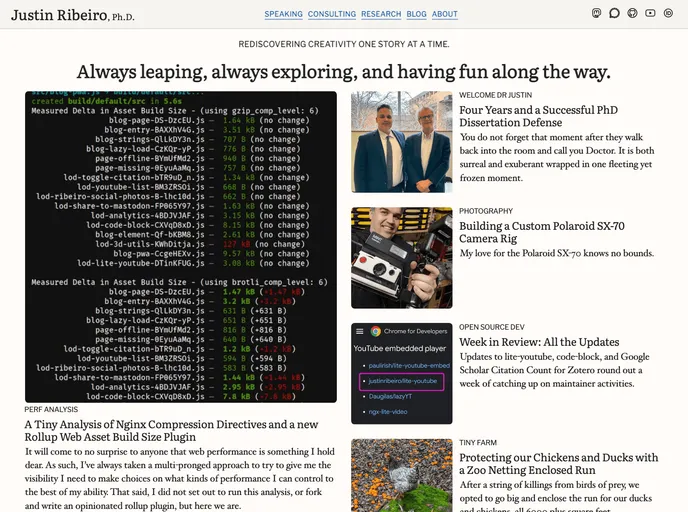

Combining Lit Web Components, Hugo, Service Worker, and Rollup into a progressive web app blog.
Overview:
This innovative progressive web app (PWA) started as an experimental project in 2017, blending technologies like Hugo, Polymer, and the PRPL pattern to create a seamless blogging experience. The result is a robust and speedy engine that not only enhances the user experience but also adapts as web technologies evolve. This PWA is designed for those who value performance and efficiency in digital content delivery, showcasing the power of modern web capabilities.
Features:
- Lightweight Design: The app's core component and its bundled assets are a mere 15.1KB gzip compressed, ensuring rapid loading times.
- JavaScript Alternative Rendering: Employs a
<noscript>tag to provide a static fallback if JavaScript is disabled, enhancing accessibility. - Metadata Optimization: Integrates server-side detection to render metadata for sharing on social platforms without requiring client-side JavaScript involvement.
- Dynamic Content Management: Harnesses Hugo for managing posts and page metadata, streamlining content creation and updates.
- Efficient Caching: Utilizes Workbox to create precaching and runtime caching service workers, optimizing load times for repeat visitors.
- On-the-Fly File Management: Features custom ZSH scripts for site management, showcasing a creative approach to streamline workflows.
- Robust Development Tools: Leverages tools like Rollup for efficient module bundling and lazy loading, making it suitable for production use.
- Performance Measurement: Designed with web performance in mind, proving its speed with excellent results on platforms like WebPageTest, particularly on slower networks like 3G.
- Hugo
Hugo is an open-source static site generator that features fast build times, flexible themes, support for multiple content formats, multilingual websites, live reloading, and an active community. It allows developers to easily create and deploy SEO-friendly and mobile-responsive websites.
- Blog

Blog websites feature posts written by one or more authors, organized by categories and tags, with a section for comments and archives sorted by date or topic. Additional features may include search bar, social media sharing, subscription or RSS feed, about and contact pages, and visual content.
- Pwa
A Progressive Web App (PWA) is a type of web application that uses modern web technologies to provide a native app-like experience to users, including offline functionality, push notifications, and device hardware access. PWAs can be installed on a user's home screen and launched like a traditional app, but do not require a separate app store listing or download.
- Web Components

Web components provide a way to create reusable, encapsulated UI components using standard web technologies such as HTML, CSS, and JavaScript. They allow developers to create complex UI components that can be easily shared across multiple projects and frameworks. Web components are built using four main specifications: Custom Elements, Shadow DOM, HTML Templates, and ES Modules.