
OrderWorder
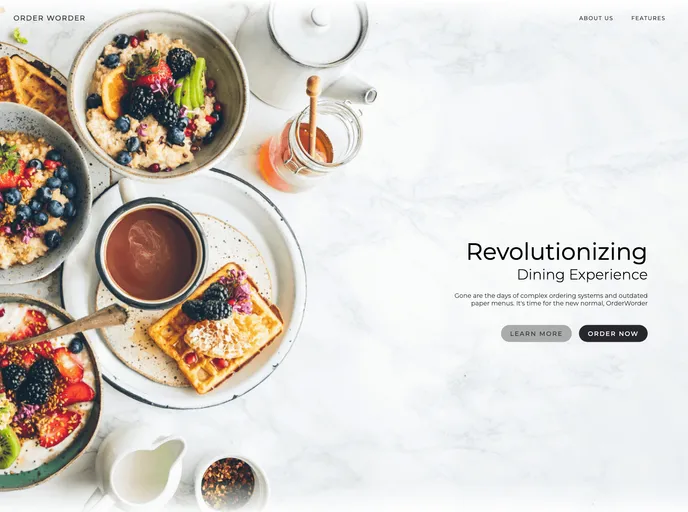



OrderWorder - Revolutionize your restaurant with a sleek, contactless full-stack app. From QR code menus to seamless ordering, real-time kitchen tracking, and powerful admin dashboards - all built with Next.js & SCSS for lightning-fast, modern dining experiences.
Overview
OrderWorder is an innovative contactless dining platform that streamlines restaurant operations through a seamless digital experience. With its user-friendly web application built using Next.js, MongoDB, and SCSS, OrderWorder allows customers to interact with menus and place orders effortlessly by simply scanning a QR code at their table. This approach not only enhances customer convenience but also optimizes kitchen workflows, bringing efficiency to both patrons and restaurant staff.
In an age where contactless solutions are increasingly vital, OrderWorder stands out by offering real-time updates and comprehensive management tools. The system caters to both customers and restaurant managers, making it an essential tool for any modern dining establishment seeking to improve service and efficiency while providing an enjoyable customer experience.
Features
- QR Code-Based Access: Each table features a unique QR code, granting customers instant access to the menu without any app downloads.
- Smart Ordering: Patrons can easily browse through the menu, select items, and place orders directly from their device.
- Live Kitchen Dashboard: Chefs receive real-time order updates, enabling them to prepare meals more effectively and efficiently.
- Admin Panel: A robust management interface allows restaurant owners to oversee tables, orders, inventory, payroll, and more with ease.
- Real-Time UI: The platform is optimized for fast, responsive interactions whether accessed on mobile, tablet, or desktop.
- Dark Theme Support: A modern aesthetic with smooth animations and transitions provides a visually appealing user experience.
- Comprehensive Tech Stack: Built on a solid technical foundation with Next.js for the frontend, MongoDB for data management, and enhanced by tools like React Context and Redux for state management.
- Next.js
Next.js is a React-based web framework that enables server-side rendering, static site generation, and other powerful features for building modern web applications.
- React
React is a widely used JavaScript library for building user interfaces and single-page applications. It follows a component-based architecture and uses a virtual DOM to efficiently update and render UI components
- SCSS
SCSS is a preprocessor scripting language that extends the capabilities of CSS by adding features such as variables, nesting, and mixins. It allows developers to write more efficient and maintainable CSS code, and helps to streamline the development process by reducing repetition and increasing reusability.
- Dashboard

A dashboard style website template is a pre-designed layout that features a user interface resembling a control panel or dashboard. It typically includes charts, graphs, tables, and other data visualization tools that allow users to monitor and analyze data in real-time.
- Ecommerce

Ecommerce websites sell products or services to customers through an online storefront. These websites typically include features such as product listings, shopping carts, payment processing, and order management tools.
- Eslint

ESLint is a linter for JavaScript that analyzes code to detect and report on potential problems and errors, as well as enforce consistent code style and best practices, helping developers to write cleaner, more maintainable code.
- Stylelint
Stylelint is a modern linter for CSS that helps you avoid errors and enforce consistent styling conventions. It provides rules for detecting errors and warnings, and can be configured to match your specific project's requirements.
- Typescript

TypeScript is a superset of JavaScript, providing optional static typing, classes, interfaces, and other features that help developers write more maintainable and scalable code. TypeScript's static typing system can catch errors at compile-time, making it easier to build and maintain large applications.