
Flask Portfolio
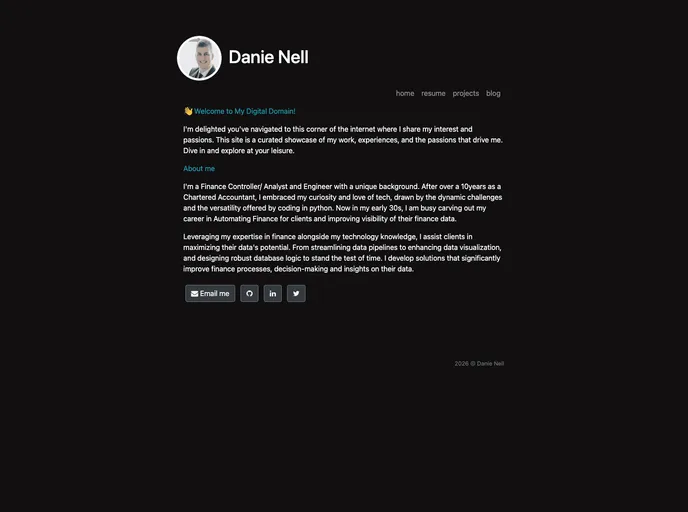

Flask Portfolio Template (Selfhosted)
Overview
Deploying applications can be challenging, but with Vercel and Flask, it becomes a streamlined process that’s suitable for developers at any level. Pairing Flask's robust framework with Vercel's powerful deployment capabilities offers an efficient way to create and maintain web applications. This setup is enhanced by an intuitive configuration management system that allows you to personalize your app with ease.
In today's digital landscape, having your application reflect your identity is crucial. The provided configuration file, along with templates for blog and project posts, makes updating your content and some essential details straightforward. This approach not only saves time but also ensures that your application is consistently up-to-date.
Features
- Configuration Management: The
config.inifile allows you to input crucial information like name, email, and social media links, automating the personalization of your app. - Blog Post Templates: Ready-to-use Markdown templates for blog posts simplify content creation, providing structure and consistency.
- Docker Deployment: A user-friendly Docker setup for deploying your application, enabling easy modifications and educational insights into containerization.
- Local Development Ready: Ensures that developers can easily get started with the latest versions of Python and Flask, minimizing setup time.
- Comments Integration: Simple steps to activate blog comments via a public repository enhance user engagement and interaction on your posts.
- Cloning and Forking Guidance: Clear instructions on modifying and adapting the project for personal use, while maintaining respect for licensing requirements.
- Flask
Flask is a lightweight and popular web framework for Python, known for its simplicity and flexibility. It is widely used to build web applications, providing a minimalistic approach to web development with features like routing, templates, and support for extensions.
- Blog

Blog websites feature posts written by one or more authors, organized by categories and tags, with a section for comments and archives sorted by date or topic. Additional features may include search bar, social media sharing, subscription or RSS feed, about and contact pages, and visual content.
- Portfolio

A portfolio website is a type of website that showcases an individual's or a company's work, skills, and accomplishments. It typically includes a gallery of images or videos, case studies, and client testimonials to provide potential clients or employers with a comprehensive overview of their experience and expertise.
- Docker

A website that uses Docker for containerization to streamline development, testing, and deployment workflows. This includes features such as containerization of dependencies, automated builds and deployments, and container orchestration to ensure scalability and availability.