
Gatsby Graphcms Example
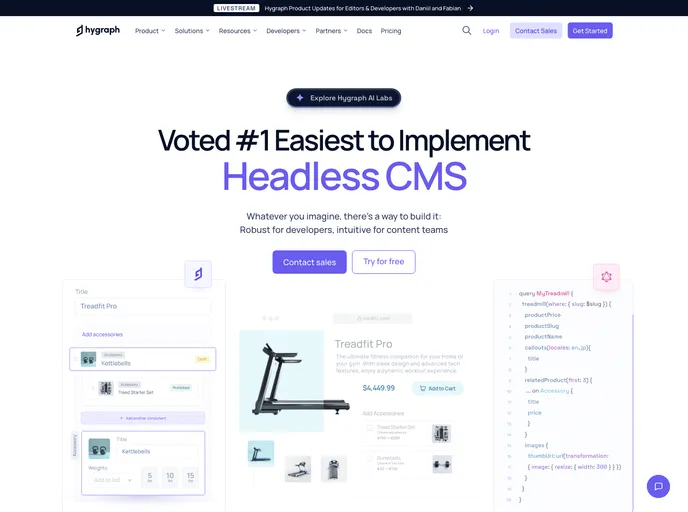


Example of Gatsby source plugin for GraphCMS
## Overview
Connecting GraphCMS to Gatsby has evolved significantly, and many resources available online may be outdated. This particular example highlights the older method of utilizing the `gatsby-source-graphcms` plugin. Integrating these two powerful tools is essential for developers looking to create dynamic and content-rich websites. Knowing the latest methods can help streamline development and improve efficiency, making it easier to harness the full potential of GraphCMS in combination with Gatsby.

## Features
- **Modern Integration Method**: The example discussed uses an older approach, emphasizing the need for updated techniques to ensure compatibility and efficiency.
- **GraphQL Debugging**: Offers a direct link to Gatsby's GraphQL debugger, allowing for real-time query testing at `http://localhost:8000/__graphql`.
- **Easy Deployment**: Provides simplified deployment options to platforms like Netlify, making it accessible for developers of all skill levels.
- **Community Contributions**: Highlights a list of contributors, fostering a sense of community and collaboration within the development ecosystem.
- **Limitations Awareness**: Encourages users to stay informed about current limitations and enhancements by referring to the official GitHub page.
- Gatsby
GatsbyJS is a free and open-source static site generator based on React. It uses a modern development stack including Webpack, GraphQL, and modern JavaScript and CSS frameworks. It also provides a rich set of plugins, starters, and themes.
- React
React is a widely used JavaScript library for building user interfaces and single-page applications. It follows a component-based architecture and uses a virtual DOM to efficiently update and render UI components
- Graphql
A website that uses GraphQL as a query language to manage data fetching and state management. This includes features such as a strongly typed schema, client-side caching, and declarative data fetching to streamline data management and optimize website performance.