
Teste_supliu_front
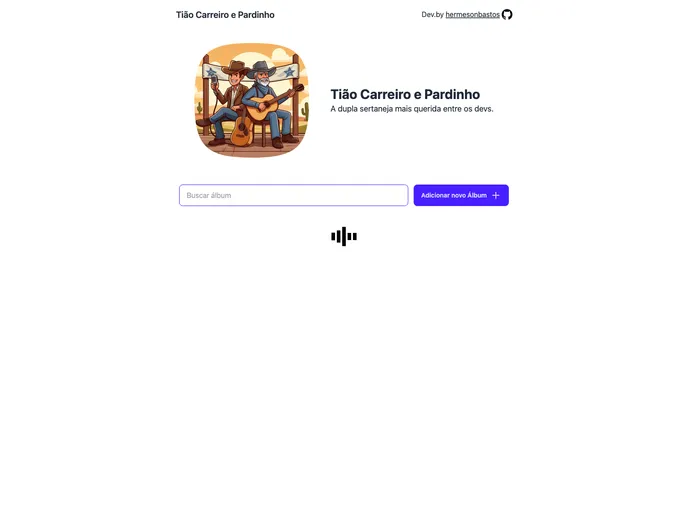




Deploy no Netlify
Overview
This project leverages a modern stack of technologies to create a smooth and aesthetically pleasing web application. By utilizing Vite, Tailwind CSS, DaisyUI, and Lucide, the project promises to deliver a developer-friendly environment while ensuring a sophisticated user experience. As a developer, the appeal lies in the simplicity and effectiveness of each technology, facilitating rapid development and deployment without compromising quality.
Setting up the project is straightforward, allowing anyone to jump in quickly and start building. The use of custom hooks like useForm and useFetch adds additional layers of convenience, making form management and data retrieval effortless.
Features
- Vite: A fast and efficient bundler that provides modern functionalities, enhancing development speed and performance.
- Tailwind CSS: A utility-first CSS framework that allows for rapid style application, making it easy to design responsive and stylish interfaces.
- DaisyUI: Offers a collection of pre-built and customizable UI components, streamlining the design process and reducing development time.
- Lucide Icons: A high-quality set of SVG icons that can be easily integrated, adding visual appeal without the hassle of design from scratch.
- Custom Hook - useForm: Manages form states centrally, provides validation feedback, and simplifies data submission for seamless user interaction.
- Custom Hook - useFetch: Streamlines API data retrieval, handles errors, supports data loading states, and offers caching for efficiency.
- Easy Setup: A quick installation process with clear steps allows developers to get started with minimal friction, facilitating ease of use from the outset.
- React
React is a widely used JavaScript library for building user interfaces and single-page applications. It follows a component-based architecture and uses a virtual DOM to efficiently update and render UI components
- Vite
Vite is a build tool that aims to provide a faster and leaner development experience for modern web projects
- Tailwind
Tailwind CSS is a utility-first CSS framework that provides pre-defined classes for building responsive and customizable user interfaces.
- daisyUI
daisyUI adds classes to Tailwind CSS for all common UI components. Classes like btn, card, etc. This allows us to focus on important things instead of making basic elements for every project.
- Eslint

ESLint is a linter for JavaScript that analyzes code to detect and report on potential problems and errors, as well as enforce consistent code style and best practices, helping developers to write cleaner, more maintainable code.
- Netlify

Netlify is a cloud-based web development platform that provides a range of tools and services to help developers build, deploy, and manage modern web applications. It offers features such as continuous deployment, serverless functions, and CDN hosting, making it an ideal platform for building fast, scalable, and secure websites.
- Postcss

PostCSS is a popular open-source tool that enables web developers to transform CSS styles with JavaScript plugins. It allows for efficient processing of CSS styles, from applying vendor prefixes to improving browser compatibility, ultimately resulting in cleaner, faster, and more maintainable code.