
Flask Session Tutorial
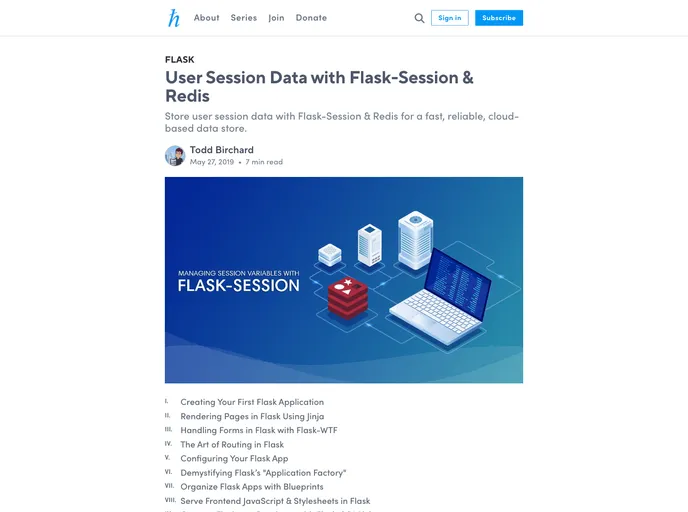

:floppy_disk: :bow: Example Flask project for implementing Flask-Session with Redis.
Overview
Flask-Session is a powerful extension for Flask applications that makes managing user sessions easier and more efficient. By using Redis for session storage, this tool allows for a scalable and robust way to handle session data across multiple instances of your application. Whether you're building a small app or a major enterprise solution, Flask-Session offers a seamless experience that can enhance your app's performance.
Setting up Flask-Session is straightforward, thanks to clear instructions and intuitive configuration options. This makes it a great fit for developers of all levels looking to implement session handling without getting bogged down in complexity.
Features
- Easy Configuration: Simply replace values in the example
.envfile to set up your environment variables, allowing for quick customization. - Session Storage via Redis: Utilizes Redis for session storage, which enhances performance and enables persistent sessions across app restarts.
- Debug Mode Toggle: With a simple setting, you can easily enable or disable the debug mode to streamline your development process.
- Flexible Database Connectivity: Supports various SQL databases with the SQLALCHEMY_DATABASE_URI variable, making it compatible with popular database systems.
- Asset Management Options: Optional features for managing static assets using LESS and compressor support, allowing for improved asset creation and bundling.
- Secure Configuration: The use of a random SECRET_KEY for encryption ensures that your session data is protected and secure.
- Open Source Community: As part of a broader open-source initiative, you can access community support and contribute to ongoing improvements.
- Flask
Flask is a lightweight and popular web framework for Python, known for its simplicity and flexibility. It is widely used to build web applications, providing a minimalistic approach to web development with features like routing, templates, and support for extensions.