
Chapter Website Template
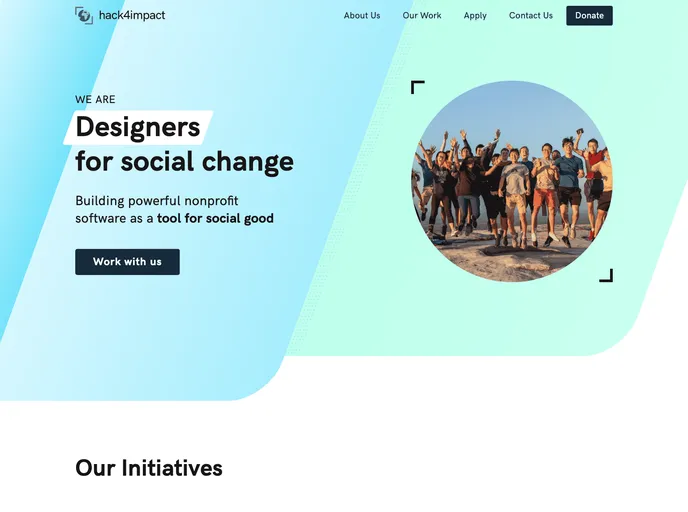



The template all chapters can use to build their own website. First created by our UIUC chapter using NextJS, and perfected with Contentful CMS integration
Overview:
The Hack4Impact's Chapter Website Template is a static website generator that is built for efficiency and easy updating. It utilizes NextJS and Contentful to create a flexible and customizable website. NextJS allows for easy building of static HTML pages and the option for server rendering and caching. Contentful acts as a CMS where content and media can be hosted and easily added to the website without needing developer assistance.
Features:
- NextJS: A flexible framework for building static websites with the option for server rendering and caching.
- Contentful: A content management system where text content and media can be hosted and easily added to the website.
- Easy Updating: Content can be edited using Google-Doc-style text boxes and published to trigger a redeploy of the website.
- Environment Variables: Set up environment variables to connect NextJS and Contentful using GraphQL.
- Website Layout: Create a new entry in the Hack4Impact space to outline the major components of the website.
- Optional Content Handling: The repo is able to handle optional content, allowing for flexibility in the information included on the website.
Summary:
The Hack4Impact's Chapter Website Template is a powerful tool for easily creating and maintaining a static website. With NextJS and Contentful, users have the flexibility to add content and make updates without requiring technical expertise. The template's features, such as easy updating and optional content handling, make it a valuable resource for chapters looking to quickly deploy a professional website.
- Next.js
Next.js is a React-based web framework that enables server-side rendering, static site generation, and other powerful features for building modern web applications.
- React
React is a widely used JavaScript library for building user interfaces and single-page applications. It follows a component-based architecture and uses a virtual DOM to efficiently update and render UI components
- SCSS
SCSS is a preprocessor scripting language that extends the capabilities of CSS by adding features such as variables, nesting, and mixins. It allows developers to write more efficient and maintainable CSS code, and helps to streamline the development process by reducing repetition and increasing reusability.
- Eslint

ESLint is a linter for JavaScript that analyzes code to detect and report on potential problems and errors, as well as enforce consistent code style and best practices, helping developers to write cleaner, more maintainable code.
- Graphql
A website that uses GraphQL as a query language to manage data fetching and state management. This includes features such as a strongly typed schema, client-side caching, and declarative data fetching to streamline data management and optimize website performance.