
Nuxt Static Skeleton
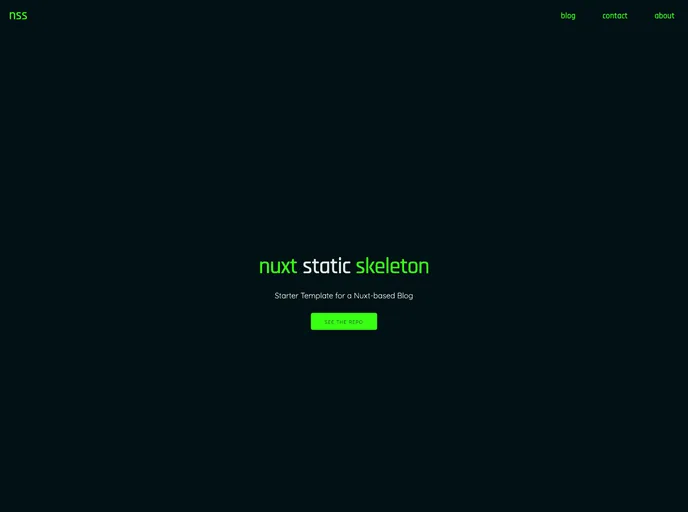


Skeleton Nuxt Blog using Nuxt-Content, Netlify CMS, and a few addl features
Overview
The Nuxt Static Skeleton project is a blog creation template that utilizes Nuxt-Content and Netlify CMS. It provides a set of pre-designed pages, such as the home page, about page, contact page, and blog post list page. The template includes features like pagination for blog posts, Google Fonts integration, flexible grid layout, Google Analytics integration, Netlify CMS for in-browser editing, an interactive editor, SEO control, sitemap generation, and a contact form. The template can be set up by forking the repository, installing dependencies, configuring GitHub and Netlify, and customizing the layout and content.
Features
- Home Page (custom)
- Nuxt-Content powered pages: About Page (markdown) and Contact Page (markdown)
- Blog Post List Page(s) with pagination
- Blog Post Single Page
- Google Fonts integration
- Flexbox Grid
- Modified Skeleton CSS
- Google Analytics integration
- Netlify CMS for in-browser editing
- Interactive Editor from nuxt-content during local development
- SEO Title / Description separation for better SEO control
- Sitemap Generation via Netlify
- Contact form via Netlify
Summary
The Nuxt Static Skeleton is a template for creating a blog using Nuxt-Content and Netlify CMS. It provides pre-designed pages, pagination for blog posts, Google Fonts integration, flexible grid layout, Google Analytics integration, in-browser editing with Netlify CMS, an interactive editor during development, SEO control, sitemap generation, and a contact form. The template can be easily set up by forking the repository, installing dependencies, configuring GitHub and Netlify, and customizing the layout and content.
- Nuxt
nuxt.js is a lightweight and flexible JavaScript framework that allows developers to easily build dynamic and reactive user interfaces. Its intuitive syntax, modular architecture, and focus on performance make it a popular choice for modern web development.
- Vue
Vue.js is a lightweight and flexible JavaScript framework that allows developers to easily build dynamic and reactive user interfaces. Its intuitive syntax, modular architecture, and focus on performance make it a popular choice for modern web development.
- Blog

Blog websites feature posts written by one or more authors, organized by categories and tags, with a section for comments and archives sorted by date or topic. Additional features may include search bar, social media sharing, subscription or RSS feed, about and contact pages, and visual content.