
Linktree Clone
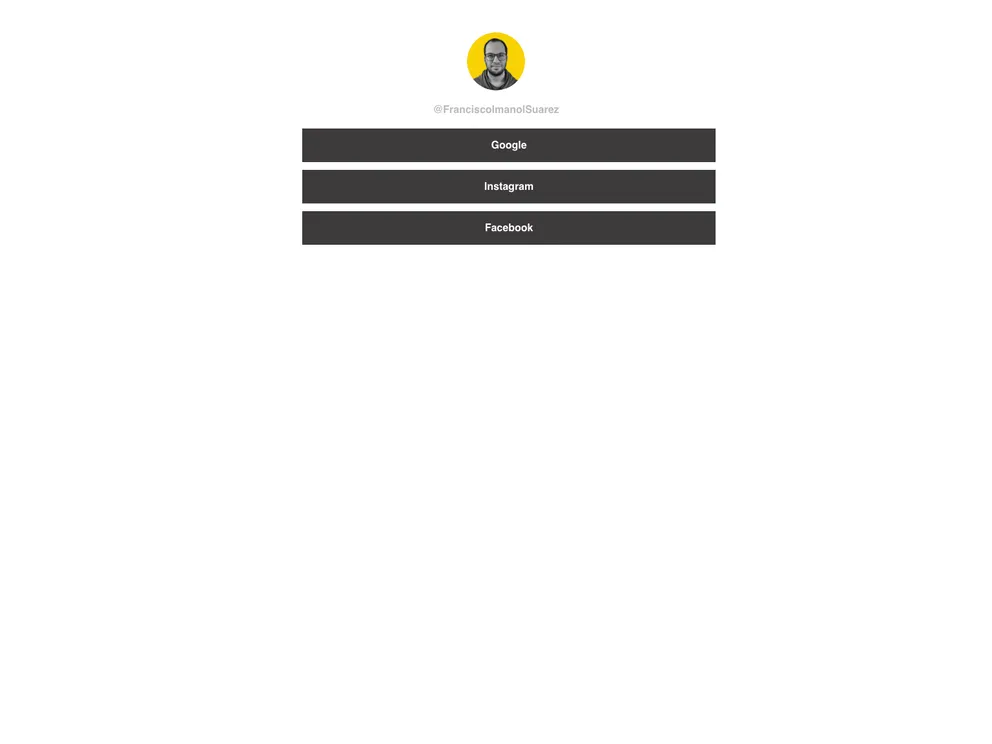


Linktree Clone made with Next.js using swr to fetch data from API
Overview
The Linktree Clone built with Next.js is an impressive adaptation of the popular link management tool that allows users to showcase multiple links in one place. This project leverages the fast performance and modern capabilities of Next.js, making it a perfect solution for those looking to create a personalized link hub. With minimal setup required, users can quickly spin up their own instance and customize it to fit their needs.
This clone is especially useful for influencers, businesses, or anyone looking to consolidate their various online links into a single, accessible location. The adaptability of the code means users can modify it to better serve their unique brand and audience, providing an excellent base for personal development in web technologies.
Features
-
Easy Setup: The project can be up and running quickly after cloning the repository and installing the necessary dependencies.
-
Customizable Links: Users can easily modify the
data.jsfile to input their own links, allowing for personalized usage right out of the box. -
Responsive Design: Built using Next.js, this clone ensures that links are displayed beautifully on both desktop and mobile devices.
-
Fast Performance: Powered by Next.js, the application offers swift loading times and optimized performance for a smooth user experience.
-
Open Source: Being a clone, it allows developers to explore and enhance the code, making it a great educational resource for those interested in React and server-side rendering.
-
User-Friendly Interface: The clean and intuitive interface makes it easy for anyone to navigate and manage their links without technical knowledge.
- Next.js
Next.js is a React-based web framework that enables server-side rendering, static site generation, and other powerful features for building modern web applications.
- React
React is a widely used JavaScript library for building user interfaces and single-page applications. It follows a component-based architecture and uses a virtual DOM to efficiently update and render UI components