
Audiophile
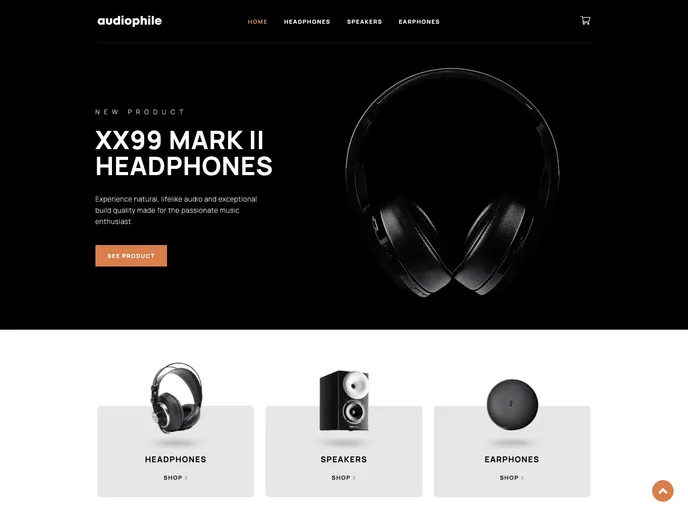


An online store built with React, Next.js, Redux Toolkit, Styled Components, Heroku-Hosted API, React Hook Forms, and TypeScript
Overview
Audiophile is an impressive eCommerce web application designed for audio enthusiasts who seek luxury and branded audio gadgets. This online store features a sleek, user-friendly interface that showcases products like earphones, speakers, and headsets effectively, ensuring that accessibility is a top priority. Built with modern web technologies, Audiophile not only aims to provide high-quality products but also offers a seamless shopping experience for its customers.
The application leverages a robust tech stack, including React, Next JS, and TypeScript, which together create a responsive and dynamic user experience. As I navigated through the platform, I appreciated the thoughtful design and the emphasis placed on performance and optimization, which enhances the overall shopping experience.
Features
- User-Friendly Interface: The design is intuitive, making it easy for users to browse and discover a wide range of audio gadgets.
- Dynamic Schema Markup: Products incorporate JSON-LD schema markup, which aids in SEO and improves product visibility in search engines.
- Modern Tech Stack: Built using React, Next JS, and TypeScript, ensuring a fast-loading and responsive web application.
- Accessibility Focus: Tools like WAVE are utilized to ensure the application is accessible to all users, catering to a broader audience.
- Efficient State Management: Redux and Redux Toolkit manage state effectively, resulting in a smooth user experience as they navigate through various products.
- Style Customization: Styled Components allow for rapid design changes and customizations without compromising the performance of the application.
- Comprehensive Testing Tools: Utilizes various tools for performance testing and quality assurance, such as Lighthouse and GT Metrix, ensuring a reliable application.
- Smooth Deployment: The application can be deployed easily using platforms such as Heroku, Netlify, and Vercel, making updates and maintenance straightforward.
- Next.js
Next.js is a React-based web framework that enables server-side rendering, static site generation, and other powerful features for building modern web applications.
- React
React is a widely used JavaScript library for building user interfaces and single-page applications. It follows a component-based architecture and uses a virtual DOM to efficiently update and render UI components
- Styled Components
Styled Components is a popular library for styling React components using CSS syntax. It allows you to write CSS in your JavaScript code, making it easier to create dynamic styles that are specific to each component.
- Eslint

ESLint is a linter for JavaScript that analyzes code to detect and report on potential problems and errors, as well as enforce consistent code style and best practices, helping developers to write cleaner, more maintainable code.
- React Hook Form

React Hook Form is a performant, flexible, and extensible form library for React with easy validation. It reduces re-renders and improves performance by using uncontrolled components and native HTML validation, making form handling simple and efficient.
- Redux
Redux is a state management library for JavaScript apps that provides a predictable and centralized way to manage application state. It enables developers to write actions and reducers that update the state in response to user interactions, server responses, and other events, and can be used with a variety of front-end frameworks and back-end technologies.
- Typescript

TypeScript is a superset of JavaScript, providing optional static typing, classes, interfaces, and other features that help developers write more maintainable and scalable code. TypeScript's static typing system can catch errors at compile-time, making it easier to build and maintain large applications.
- Vercel

Vercel offers built-in support for deploying and hosting Next.js applications, making it a popular choice among Next.js developers.
- Yup
Yup is a schema builder for runtime value parsing and validation. It provides a declarative way to define validation schemas with support for complex nested objects, array validation, and custom validation rules. Often used with Formik for form validation.