
Blog
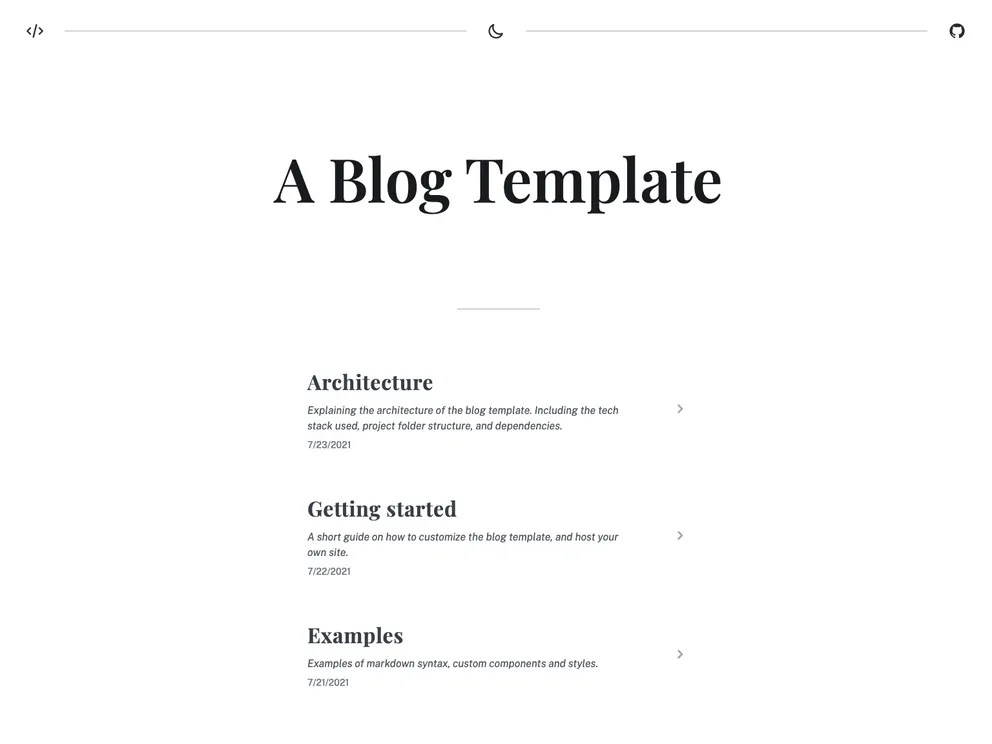



A generated static site blog template, with Vite, Vue 3, markdown-it, and syntax highlighting.
Overview
The product presents a powerful template constructed with Vue 3 and Vite 2, designed to make the development of modern web applications streamlined and efficient. This environment caters to developers looking for easy customization, rapid deployment, and beautiful design functionality. By leveraging the combined strengths of Vue and Vite, the result is a developer-friendly experience with a focus on speed and usability.
Features
- Built with Vue 3 and Vite 2: Enjoy a modern, reactive framework offering cutting-edge functionalities for building dynamic web applications.
- Automatic routes based on pages and layouts: Simplifies navigation setup by automatically generating routes based on your project structure.
- Auto import components and icons: Reduces the need for repetitive imports, allowing for cleaner code and faster development.
- Use markdown and Vue mixed together: Seamlessly integrate markdown content with Vue components, perfect for documentation or blog posts.
- Code syntax highlighting with Shiki: Enhances code readability with professional-grade syntax highlighting for a variety of programming languages.
- Styled with Tailwind CSS: Utilize a utility-first CSS framework that enables rapid UI development with responsive designs.
- Pre-rendering pages with Vite SSG: Optimize your site's performance with pre-rendered pages for faster loading times.
- Installable with Offline support - PWA: Make your web app accessible offline for a better user experience, especially on mobile devices.
- Vite
Vite is a build tool that aims to provide a faster and leaner development experience for modern web projects
- Vue
Vue.js is a lightweight and flexible JavaScript framework that allows developers to easily build dynamic and reactive user interfaces. Its intuitive syntax, modular architecture, and focus on performance make it a popular choice for modern web development.
- Tailwind
Tailwind CSS is a utility-first CSS framework that provides pre-defined classes for building responsive and customizable user interfaces.
- Blog

Blog websites feature posts written by one or more authors, organized by categories and tags, with a section for comments and archives sorted by date or topic. Additional features may include search bar, social media sharing, subscription or RSS feed, about and contact pages, and visual content.
- Templates & Themes

A template or theme refers to a pre-designed layout or structure that provides a basic framework for building a specific type of application or website. It typically includes good design, placeholder content and functional features, allowing developers to customize and fill in the details according to their specific needs.
- Eslint

ESLint is a linter for JavaScript that analyzes code to detect and report on potential problems and errors, as well as enforce consistent code style and best practices, helping developers to write cleaner, more maintainable code.
- Postcss

PostCSS is a popular open-source tool that enables web developers to transform CSS styles with JavaScript plugins. It allows for efficient processing of CSS styles, from applying vendor prefixes to improving browser compatibility, ultimately resulting in cleaner, faster, and more maintainable code.