
Souls
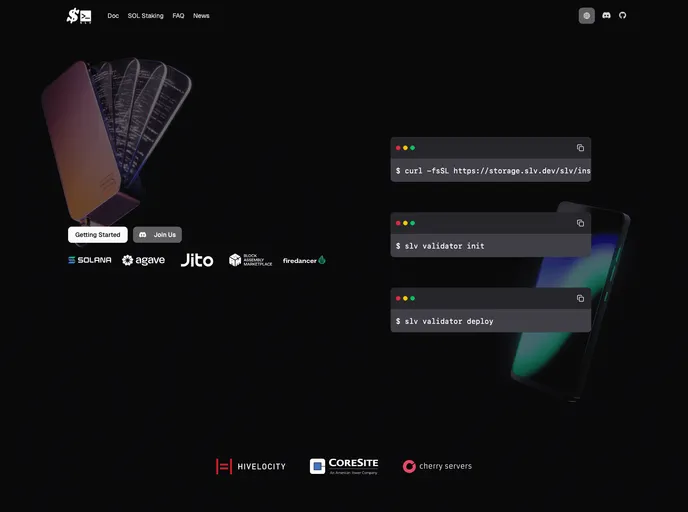

Deprecated. Evolved to SLV https://slv.dev/ SOULs Build Serverless Apps faster like Rails. Powered by Ruby GraphQL, Active Record, RSpec, RuboCop, and Google Cloud.
Overview
SOULs has evolved into SLV, marking a significant transition in the way developers can build serverless applications. This new framework is designed for speed and efficiency, akin to what Ruby on Rails offers, but with a focus on serverless architecture. By leveraging powerful technologies like GraphQL and Active Record, SLV aims to simplify and streamline the app development process for developers looking to create robust applications quickly.
Whether you are a seasoned developer or just starting, SLV provides a modern toolkit that takes advantage of the power of Ruby and Google Cloud, allowing for a seamless development experience. The transition from SOULs to SLV signifies a commitment to innovation and support for serverless tech, making it an exciting option for those looking to build high-performing applications.
Features
-
Serverless Architecture: Designed for the cloud, SLV allows developers to deploy applications without managing server infrastructure.
-
Rapid Development: Similar to Ruby on Rails, SLV enables quick app development with simple conventions and robust tools.
-
GraphQL Support: Built-in support for GraphQL facilitates flexible and efficient data querying, making it easy to work with APIs.
-
Active Record Integration: Makes database interactions seamless, allowing developers to focus on writing business logic instead of boilerplate code.
-
Testing Frameworks: Equipped with RSpec for unit testing and RuboCop for code quality checks, SLV encourages best practices in development.
-
Google Cloud Compatibility: Optimized for Google Cloud, enabling easy scaling and deployment of serverless applications in a reliable environment.
-
Community Support: As part of the Ruby ecosystem, developers can benefit from a strong community for help and resources.
- Ruby on Rails
Ruby on Rails, often referred to as Rails, is an open-source web application framework written in Ruby. Known for its convention over configuration and don't repeat yourself (DRY) principles, Rails simplifies and accelerates the development of database-backed web applications.
- Graphql
A website that uses GraphQL as a query language to manage data fetching and state management. This includes features such as a strongly typed schema, client-side caching, and declarative data fetching to streamline data management and optimize website performance.