Smart Contrat DApp
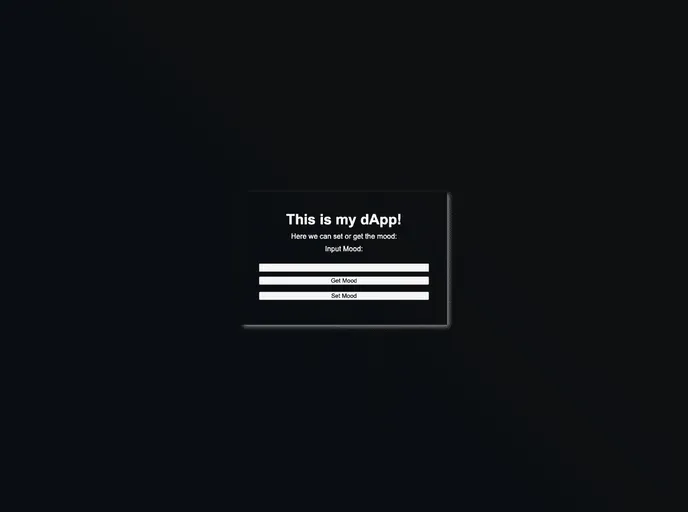
Smart-contract-dApp
Overview:
Smart Contract dApps are applications that run on blockchain platforms and execute tasks automatically without the need for intermediaries. These dApps are built on the foundation of smart contracts, which are self-executing contracts with the terms directly written into code. They have gained significant popularity due to their decentralized nature, transparency, and security.
Features:
- Decentralization: Smart Contract dApps operate on blockchain networks, which are decentralized and not controlled by any single entity.
- Transparency: All transactions and actions performed on a smart contract dApp are visible on the blockchain, ensuring transparency.
- Security: Smart contracts are securely stored on the blockchain and are immutable, making them resistant to tampering and fraud.
- Efficiency: By automating tasks and removing intermediaries, smart contract dApps can streamline processes and reduce costs.
- Trustlessness: Smart contracts eliminate the need for trusted intermediaries, as their execution is based on predefined rules and conditions.
- Interoperability: Smart contract dApps can interact with other dApps and blockchain networks, enabling seamless integration.
- Cost-Effective: Using smart contract dApps can eliminate or reduce the need for costly middlemen in various industries.
- Auditable: The transparent nature of smart contracts allows for easy auditing and verification of transactions.
Summary:
Smart contract dApps are revolutionizing various industries by enabling secure, transparent, and efficient execution of tasks without intermediaries. Their decentralized nature, along with features such as transparency and security, make them highly desirable for businesses and individuals alike. With the ability to interact with other dApps and blockchain networks, smart contract dApps offer interoperability and seamless integration. By following the installation guide provided by each dApp, users can start experiencing the benefits of these innovative applications.