
Skeleton Screens Concept
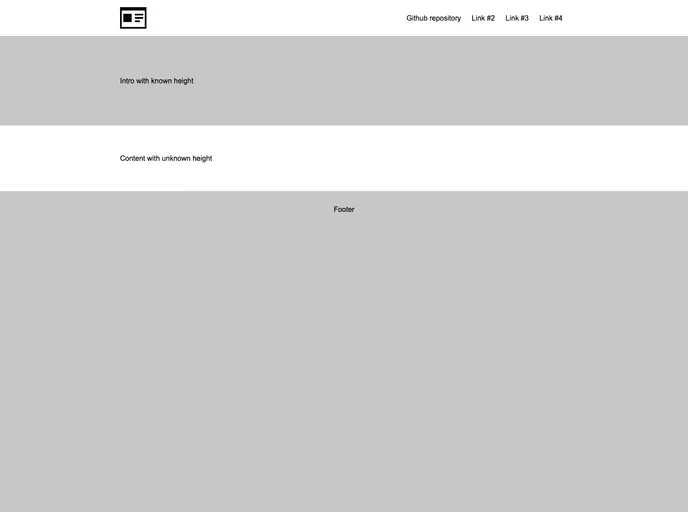
A Skeleton Screens implementation for websites first load in CSS. The main benefit is to provide a great user experience on first page load and to decrease the First and Largest Contentful Paint time that has a role to play in Google's website evaluation
Overview
The Skeleton Screens concept is an innovative approach designed to enhance user experience in web Single Page Applications (SPAs). By implementing placeholders that mimic the structure of content while it loads, this technique aims to significantly reduce perceived loading times and improve the First Contentful Paint metric, which is crucial for website evaluations by search engines like Google. This concept is especially beneficial for providing users with immediate feedback during page loads, making for a smoother overall experience.
The design relies on CSS techniques to create these placeholders and animations, ensuring that users remain engaged while waiting for full content to render. Before diving into implementation, it’s essential to understand the known issues and considerations that can affect the visibility and functionality of these skeleton screens.
Features
-
Improved User Experience: Skeleton screens create an engaging loading process, reducing anxiety while users wait for content to appear.
-
Reduced First Contentful Paint Time: By utilizing skeleton screens, the time users wait to see initial content is minimized, which can positively impact search engine rankings.
-
Non-Blocking Stylesheet Loading: The approach allows for stylesheet loading in a non-blocking manner, preventing delays that can hinder user interaction.
-
CSS Animations: Incorporates animations for skeleton blocks to simulate loading, enhancing visual interest and keeping users aware that content is being processed.
-
Customizable Structure: Developers can tailor skeleton screens to fit specific application layouts, ensuring consistency with branding and design.
-
Handling Transition Issues: Offers strategies to manage possible transition-related glitches that may arise when loading styles, improving stability in animations.
-
Robust Testing Results: Demonstrated success through Google PageSpeed Insights tests, showing significant performance improvements in applications using skeleton screens compared to traditional loading methods.