
Crystallize Gatsby Boilerplate
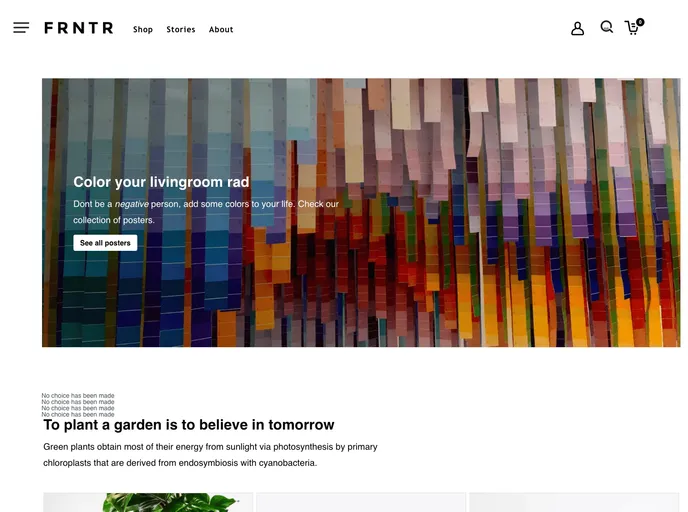


Get up and running on Crystallize with Gatsby
Overview:
The Crystallize Gatsby Boilerplate is a frontend boilerplate designed for building React ecommerce experiences with a focus on frontend performance. It is a skeleton project that provides the necessary components to get a frontend up and running on the Crystallize headless ecommerce and GraphQL-based product Information Management service. With this boilerplate, users can leverage the structured PIM engine in Crystallize to power their product catalogue and deliver rich ecommerce content. The boilerplate is open-source and MIT licensed, allowing users to customize and modify it to suit their specific needs.
Features:
- React Commerce with Gatsby: The boilerplate is built with React and Gatsby, providing a solid foundation for building ecommerce experiences.
- Frontend Performance: This boilerplate prioritizes frontend performance, ensuring a better ecommerce experience for users and complying with the ecommerce SEO checklist.
- Rich Content-driven Experiences: By leveraging the super structured PIM engine in Crystallize, users can create rich content-driven ecommerce experiences that form the foundation for a content strategy aimed at exponential growth marketing.
Summary:
The Crystallize Gatsby Boilerplate is a frontend boilerplate designed for building React ecommerce experiences with a focus on frontend performance. It provides a solid starting point for developers to create rich content-driven ecommerce experiences using the structured PIM engine in Crystallize. The boilerplate is open-source and MIT licensed, allowing for customization and modification to meet specific project requirements. With its emphasis on frontend performance and rich content, this boilerplate enables users to create compelling ecommerce experiences and establish a strong content strategy for exponential growth marketing.
- Gatsby
GatsbyJS is a free and open-source static site generator based on React. It uses a modern development stack including Webpack, GraphQL, and modern JavaScript and CSS frameworks. It also provides a rich set of plugins, starters, and themes.
- React
React is a widely used JavaScript library for building user interfaces and single-page applications. It follows a component-based architecture and uses a virtual DOM to efficiently update and render UI components
- Styled Components
Styled Components is a popular library for styling React components using CSS syntax. It allows you to write CSS in your JavaScript code, making it easier to create dynamic styles that are specific to each component.
- Vercel

Vercel offers built-in support for deploying and hosting Next.js applications, making it a popular choice among Next.js developers.