
Nextjs D1 Drizzle Cloudflare Pages
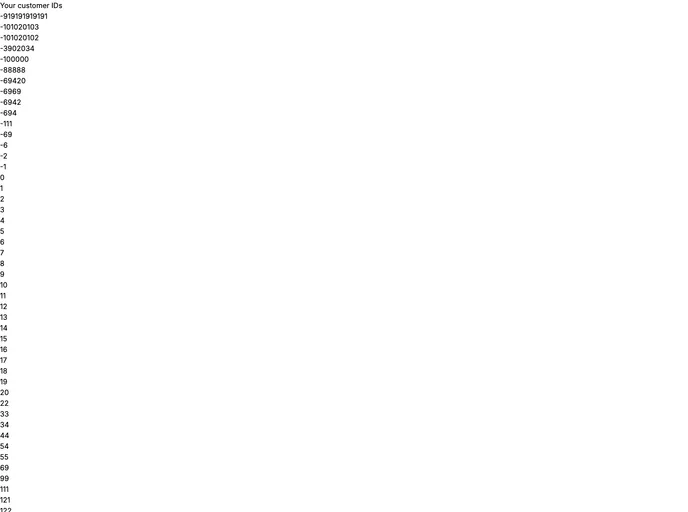



"Next.js + Cloudflare D1 + Drizzle ORM + Drizzle Kit + Cloudflare Pages" starter kit
Overview
The setup for developing applications using D1 and Next.js can seem daunting at first, but with the right steps, it becomes a streamlined process. The focus here is on two main environments: local development and production deployment. By following best practices in file configuration and database management, developers can ensure their applications run smoothly in both environments.
This quick guide emphasizes the importance of preparing your development and production settings through specific configuration files and the significance of running the application in both local and remote databases. The distinctions in running modes, especially on Cloudflare Pages, are crucial for avoiding errors and ensuring a successful deployment experience.
Features
-
Environment Configuration Files: Set up
.env.developmentand.env.productionfiles to easily manage environment-specific variables. This allows for clear delineation between development and production settings. -
Database Migration Support: Use command-line tools like
pnpm db:migrate:devandpnpm db:migrate:prodto automate schema updates. This ensures that your database structure remains in sync with the application code. -
Graphical User Interface for Databases: Access your local and remote databases with
pnpm db:studio:devandpnpm db:studio:prod. This facilitates easier management and visualization of your data. -
Hot Reloading with Next.js: By running Next.js in the local development environment, you can take advantage of hot reloading and fast refresh for a more efficient development process.
-
Cloudflare Pages Deployment: Deploy your application seamlessly to Cloudflare Pages, keeping in mind specific warnings to avoid errors related to running on edge runtime vs. Node.js runtime.
-
Error Management Alerts: Important warnings about connecting local code to production databases and function compatibility are highlighted, allowing developers to troubleshoot effectively.
-
Separation of Development and Production: Clear guidelines on how to differentiate settings and processes for production and development environments, reducing confusion and errors during deployment.
- Next.js
Next.js is a React-based web framework that enables server-side rendering, static site generation, and other powerful features for building modern web applications.
- React
React is a widely used JavaScript library for building user interfaces and single-page applications. It follows a component-based architecture and uses a virtual DOM to efficiently update and render UI components
- TanStack
TanStack is a collection of high-quality, framework-agnostic libraries including TanStack Query for data fetching, TanStack Router for routing, TanStack Table for tables, and more. These tools provide powerful, type-safe solutions for common web development challenges.
- Tailwind
Tailwind CSS is a utility-first CSS framework that provides pre-defined classes for building responsive and customizable user interfaces.
- Drizzle ORM
Drizzle ORM is a TypeScript ORM for SQL databases designed with maximum type safety in mind. It comes with a drizzle-kit CLI companion for automatic SQL migrations generation. Drizzle ORM is meant to be a library, not a framework. It stays as an opt-in solution all the time at any levels.
- Eslint

ESLint is a linter for JavaScript that analyzes code to detect and report on potential problems and errors, as well as enforce consistent code style and best practices, helping developers to write cleaner, more maintainable code.
- Postcss
PostCSS is a popular open-source tool that enables web developers to transform CSS styles with JavaScript plugins. It allows for efficient processing of CSS styles, from applying vendor prefixes to improving browser compatibility, ultimately resulting in cleaner, faster, and more maintainable code.
- Typescript

TypeScript is a superset of JavaScript, providing optional static typing, classes, interfaces, and other features that help developers write more maintainable and scalable code. TypeScript's static typing system can catch errors at compile-time, making it easier to build and maintain large applications.
- Zod

Zod is a TypeScript-first schema declaration and validation library. It allows you to define schemas that can validate data at runtime while providing excellent TypeScript inference, making it perfect for API validation, form validation, and type-safe data handling.