
Purge Per Route
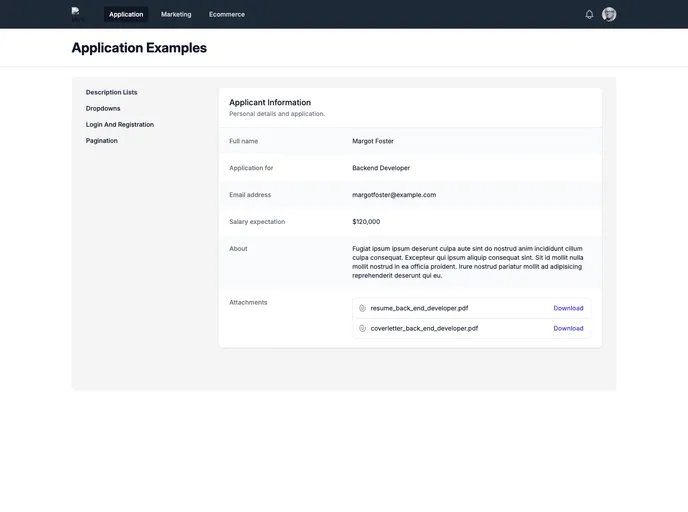


Demo of a Remix app with tailwindcss classes purged per route
Overview
The Tailwind Purge-Per-Route Demo brings an innovative approach to implementing Tailwind CSS in web applications by purging styles based on specific routes. This ensures that only the necessary CSS is loaded, optimizing performance and load times. The demo highlights how seamless integration and intelligent purging can enhance the user experience without bloating the stylesheets, making it especially appealing for developers keen on efficient front-end development.
Exploring this demo showcases the capabilities of Tailwind CSS combined with a smart loading mechanism that minimizes overhead. By diving into the Network tab of your browser, you can see the dynamic nature of how styles get loaded per route. This offers a fascinating glimpse into the potential efficiency of using Tailwind for route-specific applications.
Features
- Route-Based CSS Purging: Automatically purges unused CSS based on the route and its ancestry, streamlining styles for optimal performance.
- Live Demo: Users can interact with a live demo to witness the CSS splitting feature in real-time, providing a practical experience of its capabilities.
- Statechart Representation: While the code may span over 500 lines, it is visually represented in a statechart layout, aiding in understanding the stylesheet generation process.
- Indie Stack Foundation: Developed using the Indie Stack, allowing for easy setup with essential dependencies, making it accessible for developers to get started quickly.
- Integration with Tailwind UI: Utilizes components from Tailwind UI, allowing for rapid prototyping and showcasing the utility of Tailwind classes in practice.
- Clean Logic: The logic behind the purging mechanism is crafted to be clean and logical, showcasing thoughtful design and implementation despite being a demo project.
- Developer-Friendly Setup: Simple commands provided for starting the development server means minimal time spent on configuration, leading to faster experimentation.
- React
React is a widely used JavaScript library for building user interfaces and single-page applications. It follows a component-based architecture and uses a virtual DOM to efficiently update and render UI components
- Tailwind
Tailwind CSS is a utility-first CSS framework that provides pre-defined classes for building responsive and customizable user interfaces.
- Headless UI
Headless UI is a set of completely unstyled, fully accessible UI components for React, Vue, and Alpine.js that empower developers to build their own fully accessible custom UI components. Headless UI allows developers to focus on building accessible and highly functional user interfaces, without the need to worry about styling or layout.
- Eslint

ESLint is a linter for JavaScript that analyzes code to detect and report on potential problems and errors, as well as enforce consistent code style and best practices, helping developers to write cleaner, more maintainable code.
- Postcss

PostCSS is a popular open-source tool that enables web developers to transform CSS styles with JavaScript plugins. It allows for efficient processing of CSS styles, from applying vendor prefixes to improving browser compatibility, ultimately resulting in cleaner, faster, and more maintainable code.
- Typescript

TypeScript is a superset of JavaScript, providing optional static typing, classes, interfaces, and other features that help developers write more maintainable and scalable code. TypeScript's static typing system can catch errors at compile-time, making it easier to build and maintain large applications.