
Angular Elements Chat Widget
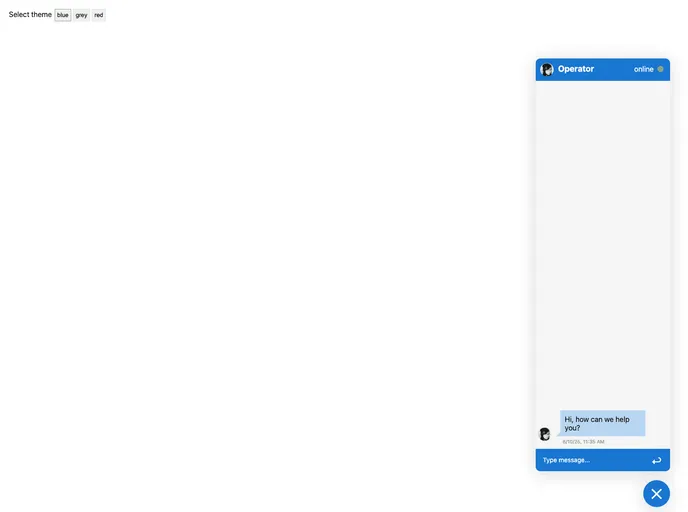
Chat Widget built with Angular Elements
Overview
The Chat Widget built with Angular Elements is an exciting development that extends the usability of Angular components outside traditional Angular applications. Leveraging the Web Components specification, this innovative approach enables seamless integration of Angular-based components into various environments, enhancing both versatility and reusability. With Angular 10 at its core, this widget represents a modern solution for developers looking to incorporate chat functionalities without being tied down to a specific framework.
The project incorporates a straightforward structure and flexible build process, making it accessible to developers familiar with Angular. Whether you are creating a new chat interface or integrating into an existing application, the ease of development and deployment is a critical advantage of this widget.
Features
-
Custom Elements: Angular Elements allows for the creation of custom web components that can work independently outside of an Angular app, enhancing versatility.
-
Development Ease: The simple command
ng serveenables developers to run the component locally and preview changes instantly via the browser. -
Build Configuration: The project utilizes a distinct build configuration defined in angular.json, ensuring a streamlined build process tailored for Angular Elements.
-
Output Flexibility: Users can change the target of the compiled JavaScript to either ES5 or ES2015 by adjusting the package.json settings, catering to different browser compatibility needs.
-
Efficient Build Script: The script
./build-elements.jsautomatically generates the final JavaScript file and demo project in the dist/elements directory, simplifying the deployment process. -
Standard Angular Project Structure: Built on standard Angular 10 architecture, it provides a familiar environment for Angular developers to work efficiently and effectively.
- Typescript

TypeScript is a superset of JavaScript, providing optional static typing, classes, interfaces, and other features that help developers write more maintainable and scalable code. TypeScript's static typing system can catch errors at compile-time, making it easier to build and maintain large applications.