
DermStore_Clone
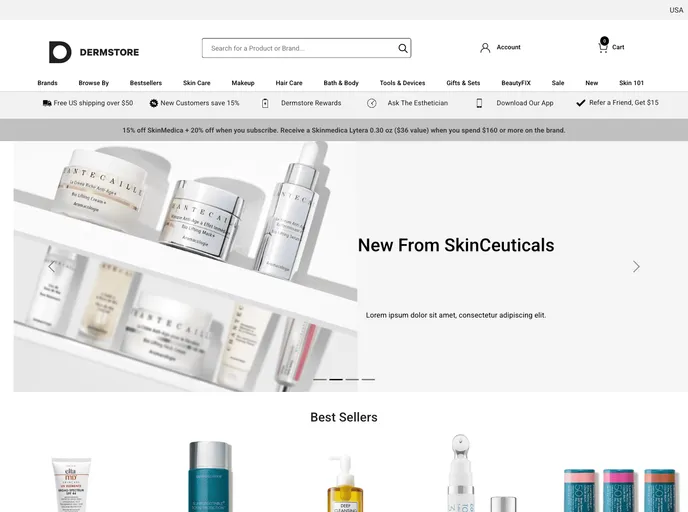


Dermstore is a skincare and beauty e-commerce site in the United States. This collaborative project aimed to build a Clone of an E-Commerce website for beauty Products. Technologies --> React, Redux, JSX, Material UI, CSS.
Overview
The Dermstore clone project showcases an impressive effort to recreate a prominent skincare and beauty e-commerce site with a pixel-perfect design that emphasizes user experience and functionality. Developed by a team as part of a Full Stack Web Development course, this project aims not just to imitate the aesthetics of Dermstore but also to incorporate dynamic and responsive features that cater to a modern online shopping experience.
The thoughtful design reflects the core functionalities found in the original Dermstore site, allowing users to effortlessly navigate through a wide array of skincare and beauty products. With essential features like a search bar, account options, and product sorting, the project illustrates a commitment to delivering both form and function.
Features
- Search Functionality: Users can easily search for products by name or brand, enhancing the overall shopping experience with quick access to desired items.
- User Account Management: Options for logging in and signing up streamline user experiences, allowing personalized interactions with the site.
- Shopping Cart: An intuitive cart feature enables users to view and modify their selected products with a simple click.
- New Arrivals Feature: Users can easily explore the latest products available on the site, keeping them updated with new trends in skincare and beauty.
- Horizontal Scrolling: The home page allows for easy navigation through product categories, enabling a smooth and engaging browsing experience.
- Product Details on Click: Users can access detailed information about products by clicking on their images, facilitating informed purchasing decisions.
- Responsive Design: The website adapts effectively to various screen sizes, ensuring a consistent and user-friendly experience across devices.
- Sorting Options: Users can sort products based on various criteria, helping them find what they need in a more organized manner.
This project not only demonstrates technical skills in web development but also highlights the team’s understanding of the e-commerce landscape, making it a noteworthy achievement in their learning journey.
- React
React is a widely used JavaScript library for building user interfaces and single-page applications. It follows a component-based architecture and uses a virtual DOM to efficiently update and render UI components
- Material UI
material-ui adds classes to Tailwind CSS for all common UI components. Classes like btn, card, etc. This allows us to focus on important things instead of making basic elements for every project.
- Ecommerce

Ecommerce websites sell products or services to customers through an online storefront. These websites typically include features such as product listings, shopping carts, payment processing, and order management tools.
- Redux
Redux is a state management library for JavaScript apps that provides a predictable and centralized way to manage application state. It enables developers to write actions and reducers that update the state in response to user interactions, server responses, and other events, and can be used with a variety of front-end frameworks and back-end technologies.