
Parallel Routes Breadcrumbs
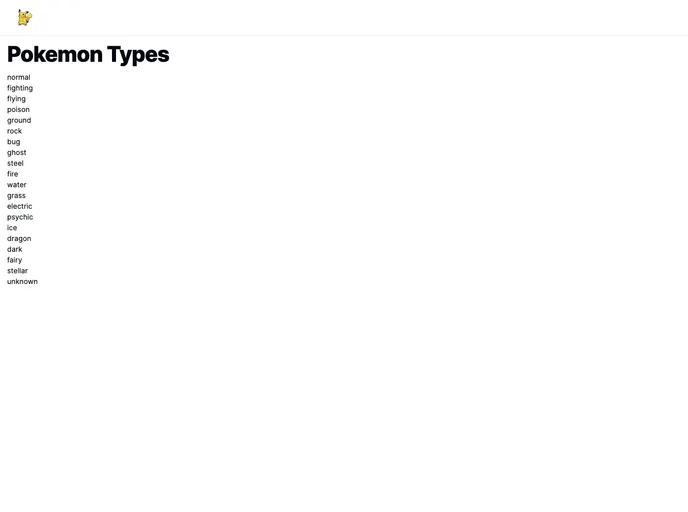


A demonstration of using Next.js App Router with Parallel Routes to implement common navigation UI
Overview
Next.js is a powerful React framework that simplifies the process of building static and server-rendered applications. Bootstrapped with create-next-app, it provides developers an intuitive environment to get started with web development quickly. This project showcases the ease of use and flexibility that Next.js offers, making it an excellent choice for both beginners and seasoned developers aiming to create high-performance web applications.
The development server runs seamlessly, allowing you to see your changes in real-time. With features designed for optimization and a focus on developer experience, Next.js is positioned as a go-to framework for modern web development.
Features
- Automatic Page Refresh: The development server supports auto-updating, so modifications in your code reflect instantly in the browser, enhancing productivity.
- Custom Font Optimization: Utilizing next/font, the project automatically optimizes and loads the Inter font, ensuring fast text rendering and improved loading times.
- Built-in Routing: Next.js comes with file-based routing, allowing developers to create routes simply by adding files to the pages directory.
- Server-side Rendering: Offers support for server-side rendering, providing better SEO and quicker initial load times for users.
- Static Site Generation: Generate static versions of your pages at build time for improved performance.
- Vercel Deployment: Effortlessly deploy your Next.js applications on the Vercel platform, ensuring optimal performance and easy scaling.
- Comprehensive Documentation: Access extensive documentation and tutorials that guide you through the different features and best practices of Next.js.
- Next.js
Next.js is a React-based web framework that enables server-side rendering, static site generation, and other powerful features for building modern web applications.
- React
React is a widely used JavaScript library for building user interfaces and single-page applications. It follows a component-based architecture and uses a virtual DOM to efficiently update and render UI components
- Tailwind
Tailwind CSS is a utility-first CSS framework that provides pre-defined classes for building responsive and customizable user interfaces.
- Eslint

ESLint is a linter for JavaScript that analyzes code to detect and report on potential problems and errors, as well as enforce consistent code style and best practices, helping developers to write cleaner, more maintainable code.
- Postcss

PostCSS is a popular open-source tool that enables web developers to transform CSS styles with JavaScript plugins. It allows for efficient processing of CSS styles, from applying vendor prefixes to improving browser compatibility, ultimately resulting in cleaner, faster, and more maintainable code.
- Typescript

TypeScript is a superset of JavaScript, providing optional static typing, classes, interfaces, and other features that help developers write more maintainable and scalable code. TypeScript's static typing system can catch errors at compile-time, making it easier to build and maintain large applications.