
Nextjs Wagmi QuickStart
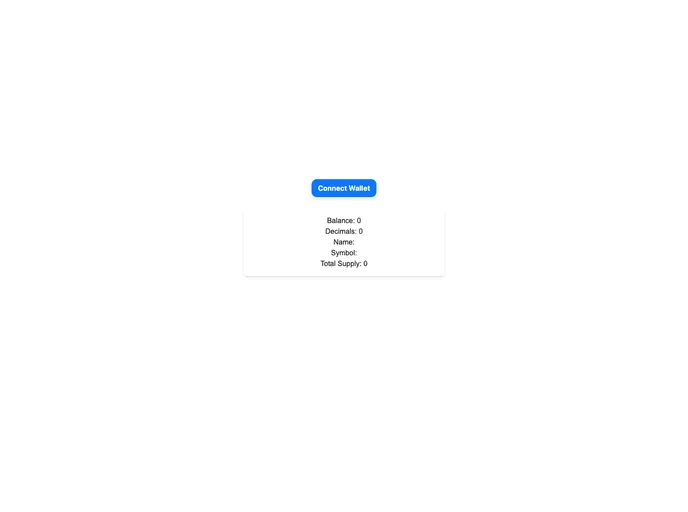


Nextjs wagmi rainbowkit
## Overview
The description emphasizes the importance of the `package.json` file and suggests using Yarn as the package manager for seamless directory management. It highlights the centrality of the `_app.tsx` and `useContract.ts` files in the overall structure, indicating that these are the core components around which the project configuration revolves. This concise guidance points to a structured approach to project setup, making it easier for users to grasp the essentials.

## Features
- **Yarn Package Management**: The recommendation to use Yarn for handling packages enhances dependency management and project performance.
- **Core Files Identification**: Directs users to focus on `_app.tsx` and `useContract.ts`, which are essential for understanding the project's functionality.
- **Example Branch Access**: Allows users to switch to an example branch, enabling them to see practical implementations and configurations in action.
- **Structured Setup Guidance**: Offers a clear directory guide that simplifies the setup process for users who may be less experienced.
- **Comprehensive Configuration**: Mentions that other files support and configure around the primary components, ensuring a cohesive and user-friendly architecture.
- Next.js
Next.js is a React-based web framework that enables server-side rendering, static site generation, and other powerful features for building modern web applications.
- React
React is a widely used JavaScript library for building user interfaces and single-page applications. It follows a component-based architecture and uses a virtual DOM to efficiently update and render UI components
- TanStack
TanStack is a collection of high-quality, framework-agnostic libraries including TanStack Query for data fetching, TanStack Router for routing, TanStack Table for tables, and more. These tools provide powerful, type-safe solutions for common web development challenges.
- Tailwind
Tailwind CSS is a utility-first CSS framework that provides pre-defined classes for building responsive and customizable user interfaces.
- Eslint

ESLint is a linter for JavaScript that analyzes code to detect and report on potential problems and errors, as well as enforce consistent code style and best practices, helping developers to write cleaner, more maintainable code.
- Typescript

TypeScript is a superset of JavaScript, providing optional static typing, classes, interfaces, and other features that help developers write more maintainable and scalable code. TypeScript's static typing system can catch errors at compile-time, making it easier to build and maintain large applications.